What are the key factors in EMI shielded room construction?
As a seasoned supplier of EMI shielded rooms, I've witnessed firsthand the critical role these specialized environments play in various industries. From research laboratories to telecommunications facilities, EMI shielded rooms are essential for protecting sensitive equipment from electromagnetic interference (EMI) and ensuring accurate data collection and reliable operation. In this blog post, I'll delve into the key factors that are crucial in the construction of EMI shielded rooms, drawing on my extensive experience in the field.
1. Shielding Effectiveness
The primary purpose of an EMI shielded room is to block or reduce the penetration of electromagnetic waves. Shielding effectiveness (SE) is a measure of how well the room can achieve this goal and is typically expressed in decibels (dB). The higher the SE value, the better the shielding performance.
When selecting materials for the shielded room, it's essential to consider their SE ratings. Common materials used for EMI shielding include copper, steel, and aluminum. Copper is known for its high electrical conductivity and excellent shielding properties, making it a popular choice for many applications. Steel, on the other hand, offers good mechanical strength and is often used in larger shielded rooms. Aluminum is lightweight and corrosion-resistant, making it suitable for applications where weight is a concern.
In addition to the material, the design and construction of the shielded room also play a significant role in determining its SE. Proper grounding, sealing, and bonding of the shielding materials are essential to ensure a continuous and effective shield. Any gaps or openings in the shield can allow electromagnetic waves to penetrate, reducing the overall shielding effectiveness.
2. Room Design and Layout
The design and layout of the EMI shielded room should be carefully planned to meet the specific requirements of the application. Factors such as the size and shape of the room, the location of equipment and personnel, and the access points need to be considered.
One important consideration is the placement of equipment within the shielded room. Sensitive equipment should be located away from sources of EMI, such as power lines, motors, and electronic devices. It's also important to ensure that there is sufficient space for ventilation and maintenance.
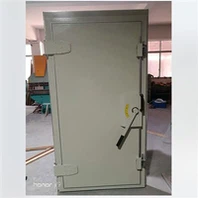
The layout of the shielded room should also take into account the flow of personnel and equipment. Access points, such as doors and windows, should be designed to minimize the leakage of electromagnetic waves. Sealed doors with high-quality gaskets and electromagnetic shielding materials are typically used to ensure a proper seal.
3. Ventilation and Air Conditioning
Proper ventilation and air conditioning are essential for maintaining a comfortable and safe working environment inside the EMI shielded room. The shielded room can trap heat generated by equipment, leading to increased temperatures and humidity levels. This can affect the performance and reliability of the equipment and pose a risk to personnel.
To prevent overheating, the shielded room should be equipped with a ventilation system that can remove hot air and introduce fresh air. The ventilation system should be designed to minimize the leakage of electromagnetic waves and should be equipped with filters to remove dust and other contaminants.
In addition to ventilation, air conditioning is also important for maintaining a stable temperature and humidity level inside the shielded room. The air conditioning system should be sized appropriately to meet the cooling requirements of the equipment and the number of personnel in the room.
4. Electrical System
The electrical system in the EMI shielded room needs to be carefully designed to minimize the introduction of EMI. All electrical wiring and equipment should be properly grounded and shielded to prevent the leakage of electromagnetic waves.
One important consideration is the use of power filters. Power filters can help reduce the level of EMI on the electrical supply by blocking or filtering out unwanted frequencies. They are typically installed at the entrance of the shielded room to ensure that the electrical supply to the equipment is clean and free from interference.
In addition to power filters, surge protectors should also be used to protect the equipment from electrical surges and spikes. Surge protectors can help prevent damage to the equipment and ensure its reliable operation.
5. Testing and Certification
Once the EMI shielded room is constructed, it's important to test its performance to ensure that it meets the required shielding effectiveness standards. Testing should be conducted by a qualified third-party laboratory using specialized equipment and procedures.
The testing process typically involves measuring the SE of the shielded room at various frequencies and locations. The results of the testing should be documented and certified to provide assurance that the shielded room meets the required standards.


Certification is important for ensuring that the EMI shielded room is fit for its intended purpose and complies with relevant regulations and standards. It also provides confidence to customers and regulatory authorities that the shielded room has been tested and verified to meet the specified requirements.
6. Maintenance and Support
Proper maintenance and support are essential for ensuring the long-term performance and reliability of the EMI shielded room. Regular inspections and maintenance should be conducted to check for any signs of damage or wear and tear to the shielding materials, doors, windows, and ventilation system.
In addition to regular maintenance, it's also important to have access to technical support in case of any issues or problems with the shielded room. A reliable supplier should be able to provide prompt and effective support to ensure that the shielded room is back up and running as quickly as possible.
At our company, we offer a comprehensive range of EMI shielded room solutions, including EMI Shielding Cage, Partial Discharge Lab, EMI Shielding Enclosure, Rf Shielded Room, and Modular Shielded Enclosure. Our team of experts has extensive experience in designing, constructing, and testing EMI shielded rooms to meet the specific needs of our customers.
If you're interested in learning more about our EMI shielded room solutions or have any questions about EMI shielded room construction, please don't hesitate to contact us. We'd be happy to discuss your requirements and provide you with a customized solution that meets your needs and budget.