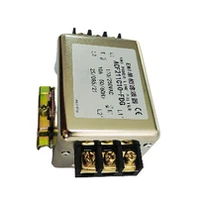
Hey there! As a supplier of 4 - line Filters, I've seen firsthand how crucial it is to optimize the performance of these little power - players. In this blog, I'm gonna share some tips and tricks to get the most out of your 4 - line Filters.
Understanding 4 - line Filters
First things first, let's quickly go over what 4 - line Filters are. These filters are designed to reduce electromagnetic interference (EMI) and radio - frequency interference (RFI) in electrical circuits. They're commonly used in a variety of applications, from industrial equipment to consumer electronics. By filtering out unwanted noise, they help ensure the smooth operation of your devices and prevent malfunctions.
Placement is Key
One of the most important factors in optimizing the performance of 4 - line Filters is proper placement. You want to install the filter as close to the source of the interference as possible. This reduces the length of the unfiltered cable, which in turn minimizes the chances of the cable acting as an antenna and picking up more interference.
For example, if you're using a 4 - line Filter in a power supply, it's best to place it right at the input of the power supply. This way, the incoming power is filtered before it reaches the rest of the circuit. If you're dealing with a noisy device, try to place the filter directly on the device's power cord.
Grounding Matters
Good grounding is essential for the proper functioning of 4 - line Filters. A solid ground connection helps the filter to divert the unwanted interference to the ground, where it can be safely dissipated.
When installing the filter, make sure to use a low - impedance ground connection. A short, thick grounding wire is ideal, as it minimizes the resistance and allows for efficient grounding. Avoid using long, thin wires or multiple ground connections that can introduce additional resistance.
Consider the Environment
The environment in which the 4 - line Filter operates can have a significant impact on its performance. High temperatures, humidity, and vibration can all affect the filter's components and reduce its effectiveness.
If you're using the filter in a harsh environment, you might want to consider getting a filter that's designed to withstand these conditions. Some filters come with protective enclosures that can shield them from dust, moisture, and other environmental factors.
Select the Right Filter for the Job
Not all 4 - line Filters are created equal. Different filters are designed for different applications and frequency ranges. Before you make a purchase, you need to understand the specific requirements of your application.


For instance, if you're dealing with low - frequency interference, you'll want a filter that has good attenuation in the low - frequency range. On the other hand, if high - frequency interference is your problem, look for a filter that's optimized for high - frequency performance.
It's also worth noting that there are other types of filters available, like 2 - line Filters, 3 Phase Filter, EMI/rfi Power Line Filter, 3 Phase Emc Filter, and Ac Emc Filter. Depending on your needs, one of these might be a better fit than a 4 - line Filter.
Maintenance and Inspection
Regular maintenance and inspection can go a long way in ensuring the optimal performance of your 4 - line Filters. Over time, the filter's components can wear out or become damaged, which can reduce its effectiveness.
Check the filter periodically for signs of physical damage, such as cracks or loose connections. Also, make sure to clean the filter if it's dirty, as dust and debris can affect its performance. If you notice any signs of malfunction, it's important to replace the filter as soon as possible.
Testing and Verification
Once you've installed the 4 - line Filter, it's a good idea to test and verify its performance. You can use specialized equipment, like an EMI test receiver, to measure the level of interference before and after the filter is installed.
If the filter isn't providing the expected level of attenuation, you might need to re - evaluate your installation or consider a different filter. Testing can also help you identify any other sources of interference in the system that might be affecting the filter's performance.
Compatibility with Other Components
The 4 - line Filter needs to be compatible with the other components in your electrical system. For example, if you're using a filter with a power supply, make sure the filter's voltage and current ratings are compatible with the power supply's specifications.
Using an incompatible filter can not only reduce its performance but also lead to damage to the filter or other components in the system. So, always double - check the compatibility before making a connection.
Upgrading Your Filters
As technology advances and the level of interference in our electrical systems increases, you might need to upgrade your 4 - line Filters from time to time. Newer filters often come with improved performance and features that can better handle the challenges of modern electrical environments.
Keep an eye on the latest developments in filter technology and consider upgrading your filters if you're experiencing persistent interference problems.
Conclusion
Optimizing the performance of 4 - line Filters is all about the details. From proper placement and grounding to selecting the right filter for the job and regular maintenance, every step counts. As a supplier of 4 - line Filters, I'm here to help you find the best solutions for your needs.
If you're interested in purchasing high - quality 4 - line Filters or have any questions about optimizing their performance, don't hesitate to reach out. We're always happy to have a chat and help you find the perfect filter for your application.