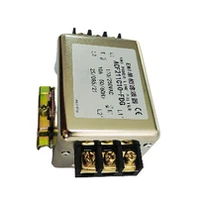
Hey there! As a supplier of EMC Shielded Rooms, I've seen firsthand the importance of a well - designed grounding system. In this blog, I'm gonna share the key principles for designing a grounding system for an EMC Shielded Room.
1. Understanding the Basics of EMC and Grounding
First off, let's talk about what EMC (Electromagnetic Compatibility) is. EMC is all about making sure that electronic devices can operate without interfering with each other. An EMC Shielded Room is designed to block external electromagnetic interference (EMI) and prevent the internal electromagnetic signals from leaking out.
Grounding is a crucial part of this equation. A proper grounding system provides a low - impedance path for electrical currents, which helps in dissipating static charges, reducing EMI, and ensuring the safety of the equipment and personnel inside the shielded room.
2. Low - Impedance Path
One of the fundamental principles of grounding system design for an EMC Shielded Room is to create a low - impedance path to the earth. The lower the impedance, the better the grounding system can handle electrical currents.
To achieve a low - impedance path, we need to use conductors with low resistance. Copper is a popular choice because it has excellent electrical conductivity. The size of the conductor also matters. A larger cross - sectional area of the conductor will result in lower resistance. For example, using thick copper cables can significantly reduce the impedance of the grounding system.
3. Single - Point Grounding
Single - point grounding is a key concept in EMC Shielded Room grounding. In a single - point grounding system, all the grounding conductors are connected to a single point, usually a grounding busbar. This helps in avoiding ground loops, which can cause EMI problems.
Ground loops occur when there are multiple paths for electrical currents to flow between different parts of the system. These loops can act as antennas, picking up and radiating electromagnetic signals. By using a single - point grounding system, we can minimize the chances of ground loops and improve the overall EMC performance of the shielded room.
4. Bonding and Shield Integrity
Bonding is the process of connecting all the conductive parts of the shielded room together. This includes the walls, floors, ceilings, and any equipment inside the room. A good bonding system ensures that the entire shielded room acts as a single electrical entity.
The integrity of the shield is also crucial. Any gaps or discontinuities in the shield can allow electromagnetic signals to leak in or out. Therefore, it's important to use proper sealing techniques and materials to maintain the shield integrity. For example, using conductive gaskets around doors and windows can help in preventing EMI leakage.
5. Separation of Grounds
In an EMC Shielded Room, it's often necessary to separate different types of grounds. For example, the power ground, signal ground, and safety ground should be kept separate. This helps in preventing interference between different electrical systems.
The power ground is used to provide a return path for the electrical power. The signal ground is used for the electrical signals in the equipment. And the safety ground is used to protect the personnel from electrical shock. By separating these grounds, we can ensure that each system operates independently and without interference.
6. Grounding for Equipment
When it comes to grounding the equipment inside the EMC Shielded Room, there are a few things to keep in mind. Each piece of equipment should be properly grounded to the grounding system of the shielded room. This helps in reducing the EMI generated by the equipment and also protects it from external EMI.
Some equipment may have specific grounding requirements. For example, sensitive electronic devices may require a dedicated grounding point to minimize the impact of EMI. It's important to follow the manufacturer's recommendations for grounding these devices.

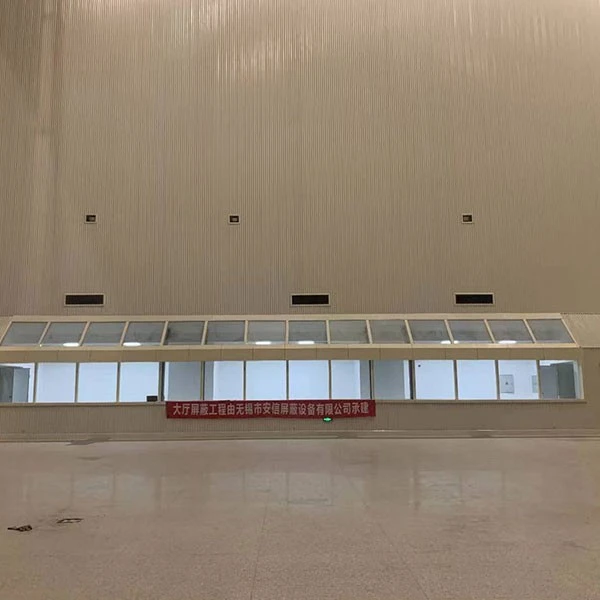
7. Testing and Monitoring
Once the grounding system is installed, it's essential to test and monitor it regularly. Testing can help in identifying any problems with the grounding system, such as high impedance or poor bonding.
There are various testing methods available, such as measuring the ground resistance. A low ground resistance indicates a good grounding system. Monitoring the grounding system over time can also help in detecting any changes or degradation in its performance.
8. Applications and Related Products
Our EMC Shielded Rooms are used in a variety of applications. For example, the Partial Discharge Lab requires a high - quality grounding system to ensure accurate measurements. In a partial discharge lab, any EMI can affect the test results, so a well - designed grounding system is essential.
We also offer EMI Shielding Cabinet and Faraday Cage Enclosure. These products also rely on proper grounding to provide effective EMI shielding.
9. Conclusion and Call to Action
In conclusion, designing a grounding system for an EMC Shielded Room is a complex but crucial task. By following the principles of low - impedance path, single - point grounding, bonding, separation of grounds, and proper equipment grounding, we can ensure a high - performance EMC Shielded Room.
If you're in the market for an EMC Shielded Room or need to upgrade your existing grounding system, we're here to help. Our team of experts can provide you with customized solutions based on your specific requirements. Feel free to reach out to us for a consultation and let's discuss how we can meet your EMC needs.