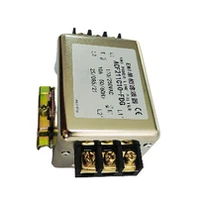
As a supplier of 3 PHASE AC FILTERS, I often receive inquiries about the optimal operating temperature range for these critical electrical components. Understanding the temperature requirements is essential for ensuring the filters' efficiency, longevity, and overall performance. In this blog post, I'll delve into the details of the temperature range for 3 PHASE AC FILTERS, explaining why it matters and how it impacts the product's functionality.
Why Temperature Matters for 3 PHASE AC FILTERS
3 PHASE AC FILTERS are designed to suppress electromagnetic interference (EMI) and radio frequency interference (RFI) in three - phase electrical systems. These filters play a crucial role in maintaining the quality of electrical power, protecting sensitive equipment from interference, and ensuring compliance with electromagnetic compatibility (EMC) standards.
Temperature affects the electrical characteristics of the components within the filter, such as capacitors and inductors. High temperatures can cause the capacitance of capacitors to change, leading to a shift in the filter's frequency response. Inductors may also experience increased resistance at higher temperatures, which can result in power losses and reduced efficiency. On the other hand, extremely low temperatures can make the dielectric materials in capacitors more brittle, increasing the risk of mechanical failure.
Typical Temperature Range for Normal Operation
The typical temperature range for a 3 PHASE AC FILTER to operate normally is between - 25°C to + 85°C. This range is based on industry standards and the physical properties of the materials used in the construction of the filters.
- Lower Limit (-25°C): At this temperature, the filter's performance may be slightly affected. The capacitance of the capacitors may decrease slightly, but the filter should still be able to function within its specified parameters. However, care must be taken when starting up the filter in cold environments, as the inrush current may be higher due to the increased impedance of the components.
- Upper Limit (+85°C): As the temperature approaches the upper limit, the internal resistance of the filter components increases. This can lead to higher power dissipation and a reduction in the filter's efficiency. Additionally, the increased temperature can accelerate the aging process of the components, reducing the filter's lifespan.
Factors Affecting the Temperature Range
Several factors can influence the actual temperature range within which a 3 PHASE AC FILTER can operate effectively:
- Ambient Temperature: The temperature of the surrounding environment is the most obvious factor. Filters installed in industrial settings with high ambient temperatures, such as near furnaces or in unventilated areas, may experience higher operating temperatures.
- Power Dissipation: The amount of power dissipated by the filter itself can contribute to its internal temperature. Filters with higher rated currents will generally dissipate more power and may require additional cooling measures.
- Mounting and Ventilation: Proper mounting and ventilation are crucial for maintaining the filter's temperature within the acceptable range. Filters should be installed in a well - ventilated area, and there should be sufficient space around the filter to allow for air circulation.
Impact of Temperature on Filter Performance
The performance of a 3 PHASE AC FILTER can be significantly affected by temperature variations:
- Insertion Loss: Insertion loss is a measure of the filter's ability to attenuate unwanted frequencies. At higher temperatures, the insertion loss may decrease, meaning that the filter is less effective at suppressing interference.
- Leakage Current: Leakage current is the current that flows through the filter when it is connected to a power source. High temperatures can cause an increase in leakage current, which may pose a safety hazard in some applications.
- Dielectric Strength: The dielectric strength of the materials used in the filter can be reduced at high temperatures. This can increase the risk of electrical breakdown and damage to the filter.
Ensuring Optimal Temperature Operation
To ensure that your 3 PHASE AC FILTER operates within the optimal temperature range, consider the following tips:
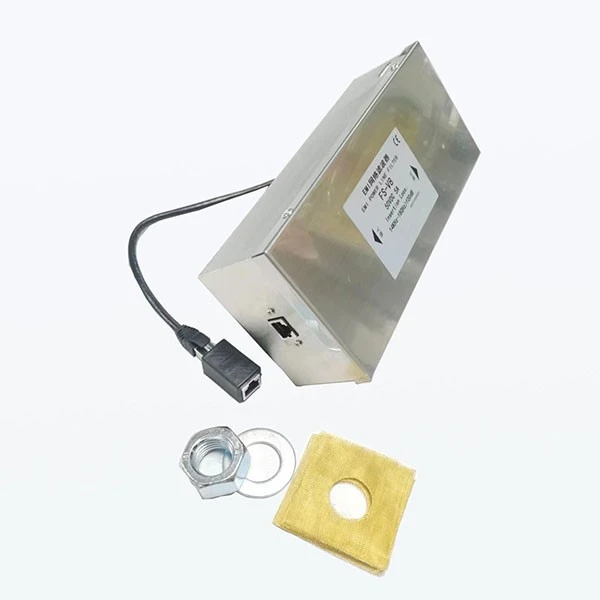

- Select the Right Filter: Choose a filter with a temperature rating that is suitable for your application. If you expect to operate the filter in extreme temperatures, look for filters with extended temperature ranges.
- Proper Installation: Install the filter in a location with good ventilation and away from heat sources. Follow the manufacturer's installation instructions carefully.
- Monitoring and Maintenance: Regularly monitor the temperature of the filter using temperature sensors. If the temperature exceeds the recommended range, take corrective action, such as improving ventilation or reducing the load on the filter.
Our Product Range
As a 3 PHASE AC FILTER supplier, we offer a wide range of filters to meet different customer needs. Our filters are designed to operate within the standard temperature range of - 25°C to + 85°C, ensuring reliable performance in various environments. We also offer 4 - line Filters, Rfi Emc Filter, and Shielded Room Filters for specialized applications.
Contact Us for Purchasing
If you are in the market for high - quality 3 PHASE AC FILTERS, we would be happy to assist you. Our team of experts can help you select the right filter for your specific requirements and provide you with detailed technical support. Whether you need a standard filter or a custom - designed solution, we have the expertise and resources to meet your needs. Contact us today to start the purchasing process and ensure that your electrical systems are protected from interference.
References
- International Electrotechnical Commission (IEC) standards on electromagnetic compatibility.
- Manufacturer's datasheets for 3 PHASE AC FILTERS.
- Technical literature on electrical components and their temperature characteristics.