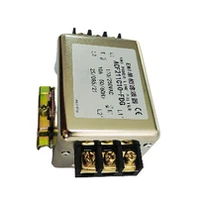
Hey there! As a supplier of 2 - line Filters, I often get asked about the temperature range for these filters to operate normally. So, I thought I'd write this blog to share some insights on this topic.
First off, let's understand what 2 - line Filters are. These filters are used in a variety of electrical and electronic systems to reduce electromagnetic interference (EMI) and radio - frequency interference (RFI). They play a crucial role in ensuring that the equipment operates smoothly without being affected by external or internal interference. You can check out more about Ac Emc Filter and Rfi Emc Filter on our website.
Now, let's dive into the temperature range. The normal operating temperature range for 2 - line Filters typically falls between - 25°C to + 85°C. This range is quite common for most standard 2 - line Filters in the market. But why this specific range? Well, it all boils down to the materials used in the construction of the filters.
The capacitors and inductors, which are the main components of 2 - line Filters, have their own temperature limitations. Capacitors, for example, are made of dielectric materials. At low temperatures, the dielectric constant of these materials can change, which may affect the capacitance value. If the temperature goes too low, say below - 25°C, the capacitor might not function as expected, leading to a decrease in the filter's performance.
On the other hand, high temperatures can also cause problems. When the temperature rises above + 85°C, the insulation materials in the capacitors and inductors can start to degrade. This degradation can lead to increased leakage current, reduced insulation resistance, and even short - circuits in extreme cases. Moreover, the magnetic properties of the inductors can also be affected by high temperatures, which can alter the filter's frequency response.


However, it's important to note that some specialized 2 - line Filters can operate outside this typical temperature range. For instance, in industrial applications where the environment can be extremely harsh, filters are designed to withstand temperatures as low as - 40°C or as high as + 125°C. These filters are often made with high - quality, temperature - resistant materials, but they also come at a higher cost.
If you're considering using 2 - line Filters in an environment with extreme temperatures, it's crucial to consult with a professional. They can help you select the right filter that can handle the specific temperature conditions of your application. And if you're looking for more advanced filtering solutions, you might also want to check out our 4 - line Filters.
Another factor that can affect the temperature range is the power dissipation of the filter. When a filter is in operation, it dissipates a certain amount of power in the form of heat. If the power dissipation is high, the temperature of the filter can rise significantly. This is why it's important to consider the power rating of the filter when selecting one for your application. A filter with a higher power rating can handle more power dissipation without overheating, which means it can operate in a wider temperature range.
In addition to the internal factors, the external environment can also impact the filter's operating temperature. For example, if the filter is installed in a confined space with poor ventilation, the heat generated by the filter can't dissipate effectively, leading to a higher temperature. In such cases, it might be necessary to install additional cooling devices, such as fans or heat sinks, to keep the filter within its operating temperature range.
So, how can you ensure that your 2 - line Filters operate within the normal temperature range? Here are some tips:
- Proper Installation: Make sure the filter is installed in a well - ventilated area. Avoid installing it near other heat - generating components.
- Regular Maintenance: Check the filter regularly for any signs of overheating, such as discoloration or a burning smell. If you notice any issues, replace the filter immediately.
- Monitor the Temperature: Use temperature sensors to monitor the temperature of the filter during operation. This can help you detect any potential problems early on.
In conclusion, the normal operating temperature range for 2 - line Filters is typically between - 25°C to + 85°C, but it can vary depending on the specific design and application. By understanding the factors that affect the temperature range and taking the necessary precautions, you can ensure that your filters perform optimally and have a long service life.
If you're in the market for high - quality 2 - line Filters or have any questions about the temperature range and other technical aspects, don't hesitate to get in touch with us. We're here to help you find the best filtering solutions for your needs. Whether you're working on a small electronic project or a large industrial application, we've got the expertise and the products to meet your requirements. So, let's start a conversation and see how we can assist you in your procurement process.
References:
- Electrical and Electronics Engineering textbooks on filter design and operation.
- Manufacturer's datasheets for 2 - line Filters.