What is the electromagnetic compatibility level of an Ac Emc Filter?
As a supplier of AC EMC filters, I've witnessed firsthand the critical role these components play in modern electrical systems. Electromagnetic compatibility (EMC) is a fundamental concept in the world of electronics, ensuring that electronic devices can operate without causing or suffering from electromagnetic interference (EMI). In this blog, we'll delve into the electromagnetic compatibility level of an AC EMC filter, exploring what it means, how it's measured, and why it matters.
Understanding Electromagnetic Compatibility
Electromagnetic compatibility refers to the ability of an electronic device or system to function properly in its electromagnetic environment without causing interference to other devices. In other words, it's about ensuring that different electronic components can coexist peacefully without disrupting each other's operation. This is particularly important in today's world, where electronic devices are everywhere, from smartphones and laptops to industrial machinery and power grids.
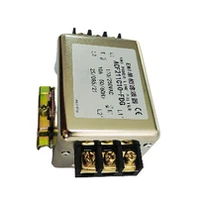
An AC EMC filter is designed to suppress electromagnetic interference in alternating current (AC) power lines. It does this by filtering out unwanted high-frequency noise and harmonics, allowing only the desired AC signal to pass through. By reducing EMI, an AC EMC filter helps to improve the reliability and performance of electronic devices, as well as comply with various EMC standards and regulations.
Measuring the Electromagnetic Compatibility Level
The electromagnetic compatibility level of an AC EMC filter is typically measured in terms of its insertion loss. Insertion loss is defined as the ratio of the power of a signal transmitted through a filter to the power of the same signal transmitted without the filter. It is usually expressed in decibels (dB) and is a measure of how effectively the filter can attenuate unwanted electromagnetic interference.
The insertion loss of an AC EMC filter is frequency-dependent, meaning that it varies with the frequency of the electromagnetic interference. In general, a higher insertion loss indicates better filtering performance. However, the required insertion loss depends on the specific application and the level of EMI present in the environment. For example, in a high-noise industrial environment, a filter with a higher insertion loss may be required to ensure reliable operation of electronic devices.
Another important parameter for measuring the electromagnetic compatibility level of an AC EMC filter is its impedance. Impedance is a measure of the opposition to the flow of an alternating current in a circuit. In the context of an AC EMC filter, impedance matching is crucial for achieving optimal filtering performance. A filter with a well-matched impedance to the source and load will minimize reflections and maximize the transfer of the desired AC signal while effectively attenuating unwanted EMI.
Factors Affecting the Electromagnetic Compatibility Level
Several factors can affect the electromagnetic compatibility level of an AC EMC filter. These include the design and construction of the filter, the quality of the components used, and the operating conditions.
The design of an AC EMC filter plays a crucial role in determining its filtering performance. Different filter topologies, such as single-stage, multi-stage, and common-mode/differential-mode filters, offer different levels of attenuation and frequency response. The choice of filter topology depends on the specific application requirements, such as the frequency range of the EMI, the level of attenuation needed, and the available space.
The quality of the components used in an AC EMC filter also has a significant impact on its electromagnetic compatibility level. High-quality capacitors, inductors, and resistors with low parasitic effects and high stability are essential for achieving good filtering performance. In addition, proper shielding and grounding techniques are necessary to minimize the coupling of electromagnetic interference into and out of the filter.
The operating conditions of an AC EMC filter can also affect its electromagnetic compatibility level. Factors such as temperature, humidity, and voltage can all influence the performance of the filter. For example, high temperatures can cause the capacitance and inductance values of the components to change, leading to a decrease in the insertion loss of the filter. Therefore, it's important to choose an AC EMC filter that is designed to operate within the specified temperature and voltage ranges for the application.
Importance of the Electromagnetic Compatibility Level
The electromagnetic compatibility level of an AC EMC filter is of utmost importance for several reasons. Firstly, it helps to ensure the reliable operation of electronic devices. By reducing electromagnetic interference, an AC EMC filter can prevent malfunctions, data errors, and other performance issues that can occur due to EMI. This is particularly critical in applications such as medical equipment, aerospace, and automotive, where the safety and reliability of the system are paramount.
Secondly, compliance with EMC standards and regulations is mandatory in many countries and industries. An AC EMC filter with a high electromagnetic compatibility level can help electronic devices to meet these requirements, avoiding costly fines and legal issues. For example, in the European Union, all electrical and electronic equipment must comply with the EMC Directive, which sets out the essential requirements for electromagnetic compatibility.
Finally, a high electromagnetic compatibility level can also improve the overall quality and performance of the electronic system. By reducing EMI, an AC EMC filter can enhance the signal-to-noise ratio, leading to better audio and video quality, faster data transfer rates, and more efficient power consumption. This can result in a more enjoyable user experience and a competitive advantage for the manufacturer.
Our AC EMC Filter Products
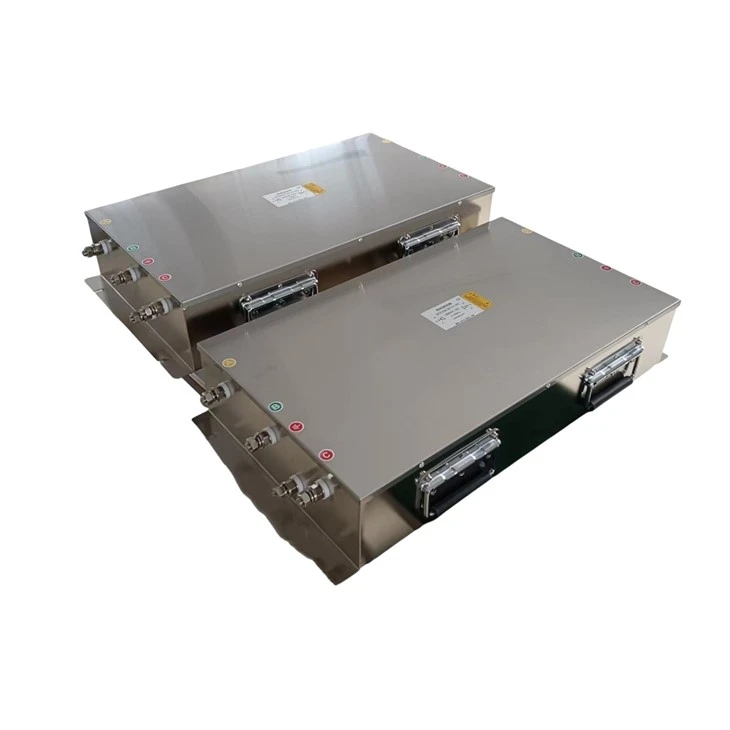
As a supplier of AC EMC filters, we offer a wide range of products to meet the diverse needs of our customers. Our 4-line Filters are designed for applications that require high levels of filtering performance and protection against common-mode and differential-mode interference. They are available in various current ratings and voltage ranges, making them suitable for a wide range of industrial and commercial applications.
Our 2-line Filters are ideal for applications where space is limited or where a lower level of filtering is required. They are compact, lightweight, and easy to install, making them a popular choice for consumer electronics, telecommunications, and other small-scale applications.
In addition, we also offer Rfi Emc Filter that are specifically designed to suppress radio frequency interference (RFI). These filters are commonly used in applications such as radio and television broadcasting, wireless communication, and radar systems.

Contact Us for Your AC EMC Filter Needs
If you're looking for high-quality AC EMC filters with a high electromagnetic compatibility level, look no further. Our team of experts is dedicated to providing you with the best solutions for your specific application. Whether you need a standard filter or a custom-designed solution, we have the expertise and experience to meet your requirements.
Contact us today to discuss your AC EMC filter needs and let us help you find the perfect solution for your electronic system. We look forward to working with you to ensure the reliable operation and electromagnetic compatibility of your devices.
References
- Paul, Clayton R. "Electromagnetic Compatibility Engineering." Wiley-IEEE Press, 2006.
- van den Berg, A. J. "Electromagnetic Compatibility: Principles and Applications." Artech House, 2000.
- International Electrotechnical Commission (IEC). "Electromagnetic compatibility (EMC) - Part 6-1: Generic standards - Immunity for residential, commercial and light - industrial environments." IEC 61000 - 6 - 1, 2016.