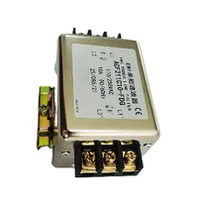
Building an RF shielded room is a complex endeavor that involves a multitude of factors contributing to its overall cost. As a supplier of RF shielded rooms, I've witnessed firsthand the diverse requirements and considerations that clients bring to the table. In this blog, I'll delve into the various elements that influence the cost of constructing an RF shielded room, providing you with a comprehensive understanding of what to expect.
Understanding the Basics of RF Shielding
Before we dive into the cost factors, it's essential to understand what an RF shielded room is and why it's necessary. An RF shielded room, also known as an electromagnetic shielding enclosure, is a specialized space designed to block electromagnetic radiation. This shielding is crucial in environments where sensitive electronic equipment operates, as it prevents interference from external RF sources and ensures the accuracy and reliability of the equipment's performance.
Factors Affecting the Cost of Building an RF Shielded Room
1. Size and Dimensions
One of the most significant factors influencing the cost of an RF shielded room is its size. Larger rooms require more materials and labor to construct, which naturally drives up the cost. Additionally, the shape and layout of the room can also impact the cost. Irregularly shaped rooms or those with complex geometries may require additional customization and materials, increasing the overall expense.
2. Shielding Effectiveness Requirements
The level of shielding effectiveness required for the room is another critical factor. Shielding effectiveness is measured in decibels (dB) and indicates the degree to which the room can block electromagnetic radiation. Higher shielding effectiveness requirements typically demand more advanced shielding materials and construction techniques, resulting in a higher cost. For example, a room with a shielding effectiveness of 100 dB will be more expensive to build than one with a shielding effectiveness of 60 dB.
3. Shielding Materials
The choice of shielding materials plays a crucial role in determining the cost of the RF shielded room. There are several types of shielding materials available, each with its own characteristics and cost implications. Some common shielding materials include: - Copper: Copper is a popular choice for RF shielding due to its high conductivity and excellent shielding properties. However, it is also relatively expensive compared to other materials. - Steel: Steel is another commonly used shielding material, known for its strength and durability. It is generally less expensive than copper but may not provide the same level of shielding effectiveness. - Aluminum: Aluminum is a lightweight and cost-effective option for RF shielding. It offers good shielding performance at a lower cost compared to copper and steel.

4. Construction Method
The construction method used for the RF shielded room can also affect the cost. There are two main types of construction methods: welded and modular. - Welded Shielding Room: A Welded Shielding Room is constructed by welding together metal panels to form a seamless enclosure. This method provides excellent shielding performance but is typically more labor-intensive and expensive than modular construction. - Modular Shielding Room: A modular shielding room is constructed using pre-fabricated panels that are assembled on-site. This method is generally faster and more cost-effective than welded construction, but it may not provide the same level of shielding effectiveness.
5. Additional Features and Accessories
The inclusion of additional features and accessories can significantly impact the cost of the RF shielded room. Some common additional features and accessories include: - Doors and Windows: Specialized doors and windows are required to maintain the shielding integrity of the room. These doors and windows are typically more expensive than standard ones due to their shielding properties. - Ventilation and HVAC Systems: Proper ventilation and HVAC systems are essential to maintain a comfortable environment inside the RF shielded room. These systems can add to the overall cost of the project. - Electrical and Communication Systems: Electrical and communication systems are required to power the equipment inside the room and provide connectivity. These systems need to be properly shielded to prevent electromagnetic interference, which can increase the cost.
Cost Breakdown
To give you a better idea of the cost of building an RF shielded room, let's break down the expenses into different categories:
1. Materials
The cost of materials typically accounts for a significant portion of the total cost. This includes the cost of shielding materials, such as copper, steel, or aluminum, as well as the cost of other materials, such as insulation, doors, windows, and ventilation systems.
2. Labor
Labor costs include the cost of hiring skilled workers to construct the RF shielded room. This includes the cost of installation, welding, and finishing work. Labor costs can vary depending on the complexity of the project and the location of the construction site.

3. Design and Engineering
Design and engineering costs include the cost of hiring a professional engineer to design the RF shielded room and ensure that it meets the required specifications. This includes the cost of conducting electromagnetic simulations, performing structural calculations, and preparing detailed construction drawings.
4. Testing and Certification
Testing and certification costs include the cost of testing the RF shielded room to ensure that it meets the required shielding effectiveness standards. This includes the cost of hiring a professional testing laboratory to perform the tests and issue a certification.
5. Additional Costs
Additional costs may include the cost of permits, transportation, and equipment rental. These costs can vary depending on the location of the construction site and the specific requirements of the project.
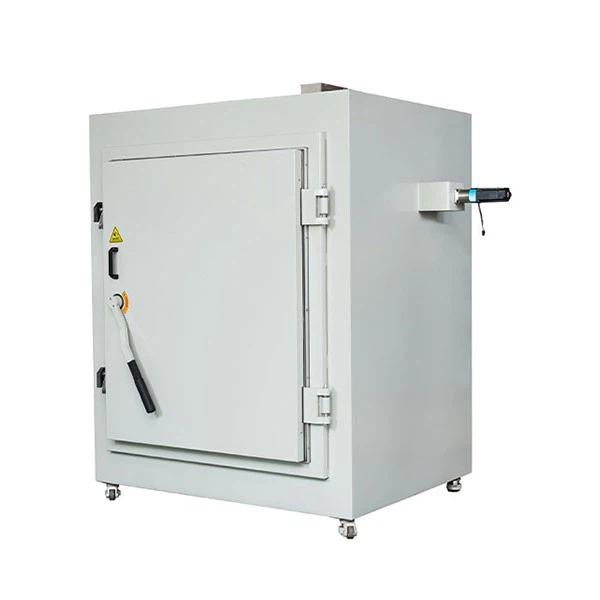
Examples of RF Shielded Room Costs
The cost of building an RF shielded room can vary widely depending on the factors mentioned above. To give you a better idea of the cost range, here are some examples of RF shielded room costs: - Small Laboratory RF Shielded Room: A small laboratory RF shielded room with a size of approximately 100 square feet and a shielding effectiveness of 60 dB may cost between $10,000 and $20,000. - Medium-Sized Industrial RF Shielded Room: A medium-sized industrial RF shielded room with a size of approximately 500 square feet and a shielding effectiveness of 80 dB may cost between $50,000 and $100,000. - Large-Scale Data Center RF Shielded Room: A large-scale data center RF shielded room with a size of approximately 1,000 square feet and a shielding effectiveness of 100 dB may cost between $100,000 and $200,000.

It's important to note that these are just rough estimates, and the actual cost of building an RF shielded room may vary depending on the specific requirements of the project.
Conclusion
Building an RF shielded room is a significant investment that requires careful planning and consideration. The cost of building an RF shielded room can vary widely depending on factors such as size, shielding effectiveness requirements, shielding materials, construction method, and additional features and accessories. By understanding these factors and working with a reputable supplier, you can ensure that you get the best value for your money and a high-quality RF shielded room that meets your specific needs.
If you're interested in learning more about our RF shielded room solutions or getting a quote for your project, please don't hesitate to contact us. Our team of experts is ready to assist you with all your RF shielding needs and help you find the right solution for your budget.
References
- "Electromagnetic Shielding Handbook," by Clayton R. Paul
- "RF and Microwave Engineering," by David M. Pozar
- "EMC for Product Designers," by Tim Williams