As an RF shielded room supplier, I often get asked about the standards for these specialized enclosures. RF shielded rooms are crucial in various industries, from telecommunications to scientific research, where they protect sensitive equipment from electromagnetic interference (EMI) and prevent the leakage of RF signals. So, what exactly are the standards for an RF shielded room? Let's dive in.
Shielding Effectiveness
One of the most important standards for an RF shielded room is its shielding effectiveness (SE). SE measures how well the room can block electromagnetic radiation. It's usually expressed in decibels (dB), and the higher the number, the better the shielding. For example, a room with a SE of 100 dB can block 99.99999999% of the incoming RF signals.
The required SE depends on the specific application. In a Partial Discharge Lab, where researchers need to detect very weak electrical discharges, a high SE of 120 dB or more might be necessary. On the other hand, a room used for general EMI testing might only require a SE of 60 - 80 dB.
Frequency Range
Another key standard is the frequency range over which the room provides effective shielding. RF signals can span a wide range of frequencies, from a few kilohertz (kHz) to several gigahertz (GHz). A good RF shielded room should be able to provide consistent shielding across the entire frequency range relevant to its application.
For example, in a telecommunications testing facility, the room might need to shield frequencies from 800 MHz to 2.5 GHz, which are commonly used in mobile networks. In a military or aerospace application, the frequency range could be much broader, from 10 kHz to 18 GHz or even higher.
Construction Materials
The materials used in the construction of an RF shielded room also play a significant role in meeting the standards. The most common materials include steel, copper, and aluminum. Steel is often used for its strength and relatively high shielding effectiveness, especially at lower frequencies. Copper is an excellent conductor and provides good shielding at higher frequencies. Aluminum is lightweight and corrosion-resistant, making it a popular choice for some applications.
The walls, floors, and ceilings of the room are typically made of these materials, and they are often constructed in a multi - layer design to enhance shielding. The seams between the panels are also critical, as any gaps or holes can allow RF signals to leak in or out. Specialized gaskets and seals are used to ensure a tight fit and maintain the integrity of the shielding.
Doors and Windows
Doors and windows are potential weak points in an RF shielded room. They need to be designed and installed in a way that maintains the same level of shielding as the rest of the room. RF - shielded doors are usually made of the same materials as the walls and are equipped with gaskets to seal the edges when closed.
Windows are often made of conductive glass or a combination of glass and metal mesh to provide visual access while still blocking RF signals. The design of the doors and windows should also allow for easy access and operation without compromising the shielding performance.
Ventilation and Electrical Penetrations
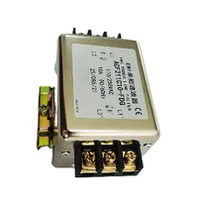
Ventilation is necessary to maintain a comfortable environment inside the RF shielded room, but it can also be a source of RF leakage. Specialized RF - shielded ventilation filters are used to allow air to pass through while blocking RF signals. These filters are designed to have a high SE and are installed in the ventilation ducts.
Electrical penetrations, such as power cables, data cables, and communication lines, also need to be properly shielded. Feed - through filters are used to ensure that only the desired electrical signals pass through while blocking any unwanted RF interference.


Testing and Certification
Once an RF shielded room is constructed, it needs to be tested to ensure that it meets the required standards. Professional testing companies use specialized equipment to measure the shielding effectiveness of the room at different frequencies. The results are compared against the specified standards, and if the room passes the tests, it can be certified.
Certification is important as it provides assurance to the end - user that the room will perform as expected. Some common certification standards include MIL - STD - 188 - 125 for military applications and IEC 61000 - 5 - 6 for industrial and commercial applications.
Faraday Cage Enclosure and EMI Shielding Cabinet
In addition to full - sized RF shielded rooms, there are also Faraday Cage Enclosure and EMI Shielding Cabinet options available. These smaller enclosures are used for testing smaller components or for protecting sensitive equipment in a more limited space.
Faraday cage enclosures are typically made of a conductive material, such as wire mesh or metal sheet, and are designed to block external RF signals. EMI shielding cabinets are more sophisticated and often have features like ventilation, power distribution, and access ports. They are used in a variety of industries, including electronics manufacturing, medical device testing, and research laboratories.
Why Choose Our RF Shielded Rooms
As a supplier, we understand the importance of meeting these standards. Our RF shielded rooms are designed and constructed using the latest technology and high - quality materials. We work closely with our customers to understand their specific requirements and provide customized solutions.
We have a team of experienced engineers who can ensure that the room is properly designed, installed, and tested. Our products are certified to meet the relevant industry standards, giving you peace of mind that your equipment will be protected from EMI.
If you're in the market for an RF shielded room, whether it's a large - scale facility or a smaller enclosure, we'd love to hear from you. We can provide you with detailed information about our products, answer any questions you might have, and work with you to find the best solution for your needs. Contact us today to start the conversation about your RF shielding requirements.
References
- MIL - STD - 188 - 125, "Interface Standard for the Electromagnetic Compatibility of Subsystems and Systems with the Electric Power Infrastructure"
- IEC 61000 - 5 - 6, "Electromagnetic compatibility (EMC) - Part 5 - 6: Installation and mitigation guidelines - Screening effectiveness requirements for active RF shielding enclosures"