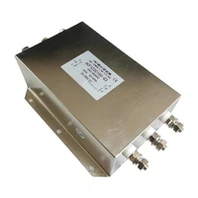
What are the microwave device testing requirements in an Rf Shielded Room?
As a provider of Rf Shielded Rooms, I've witnessed firsthand the increasing importance of accurate microwave device testing. In today's technology - driven world, microwave devices are ubiquitous, from communication systems to radar and medical equipment. Ensuring their proper functionality and compliance with standards requires a controlled testing environment, which is where an Rf Shielded Room comes into play.
The Basics of Rf Shielded Rooms
An Rf Shielded Room, as the name suggests, is designed to block external radio frequency (RF) signals and contain internal RF signals. This is achieved through the use of conductive materials such as copper, steel, or aluminum in the room's construction. The shielding effectiveness of an Rf Shielded Room is measured in decibels (dB), and it determines how well the room can isolate the testing environment from external interference. You can learn more about Rf Shielded Room on our website.
Why Use an Rf Shielded Room for Microwave Device Testing?
Microwave frequencies range from 300 MHz to 300 GHz. At these frequencies, external RF interference can significantly affect the accuracy of device testing. For example, in a non - shielded environment, nearby wireless networks, radio stations, or even mobile phones can introduce noise into the test results. An Rf Shielded Room provides a controlled environment where the only RF signals present are those generated by the device under test and the test equipment.
Moreover, microwave devices often emit RF signals during operation. Without proper shielding, these signals can interfere with other electronic devices in the vicinity and violate electromagnetic compatibility (EMC) regulations. An Rf Shielded Room ensures that these emissions are contained within the room, preventing interference with other systems and allowing for accurate measurement of the device's radiation characteristics.
Testing Requirements in an Rf Shielded Room
Frequency Range
The first requirement for microwave device testing is to ensure that the Rf Shielded Room can support the frequency range of the device under test. Different microwave devices operate at different frequencies. For example, Wi - Fi devices typically operate in the 2.4 GHz and 5 GHz bands, while some radar systems operate in the X - band (8 - 12 GHz) or the K - band (18 - 26.5 GHz). The shielding effectiveness of the room should be sufficient across the entire frequency range of interest.
Field Uniformity
Field uniformity is another critical requirement. In a microwave test, it is essential to have a uniform RF field within the test volume. Non - uniform fields can lead to inaccurate measurements of the device's performance. To achieve field uniformity, the Rf Shielded Room may be equipped with mode stirrers or other field - shaping devices. These devices help to distribute the RF energy evenly within the room, ensuring that the device under test experiences a consistent field environment.
Power Handling
Microwave devices can generate significant amounts of power. The Rf Shielded Room must be able to handle the power levels produced by the device without suffering from damage or degradation of its shielding performance. High - power microwave devices, such as some industrial or military radar systems, may require special shielding materials and construction techniques to ensure safe and accurate testing.
Antenna Placement
Proper antenna placement is crucial for accurate microwave device testing. The antennas used for transmitting and receiving RF signals should be positioned in a way that maximizes the coupling between the device under test and the test equipment. This often involves following specific antenna placement guidelines based on the type of device being tested and the test method being used.
EMC Compliance Testing
In addition to performance testing, microwave devices must also comply with EMC regulations. An Rf Shielded Room is an ideal environment for conducting EMC compliance tests, such as radiated emission and radiated immunity tests. During radiated emission tests, the device is operated in the shielded room, and the RF emissions are measured to ensure that they do not exceed the limits set by regulatory bodies. Radiated immunity tests, on the other hand, involve subjecting the device to external RF fields to test its ability to operate correctly in the presence of interference.
Related Facilities and Their Roles
In addition to Rf Shielded Rooms, other facilities such as Emc Shielded Enclosure and Partial Discharge Lab can also play important roles in microwave device testing.
An Emc Shielded Enclosure is a smaller, more portable version of an Rf Shielded Room. It can be used for testing smaller microwave devices or for conducting preliminary tests before moving to a full - scale Rf Shielded Room. Emc Shielded Enclosures are often used in research and development laboratories where space is limited.
A Partial Discharge Lab is used to detect and measure partial discharges in electrical insulation materials. In microwave devices, partial discharges can occur in high - voltage components, which can lead to insulation breakdown and device failure. By conducting partial discharge tests in a shielded environment, engineers can accurately detect and analyze these discharges, ensuring the reliability of the microwave device.
Conclusion
Microwave device testing in an Rf Shielded Room requires careful consideration of several factors, including frequency range, field uniformity, power handling, antenna placement, and EMC compliance. As a provider of Rf Shielded Rooms, we understand the importance of these requirements and offer customized solutions to meet the specific needs of our customers.
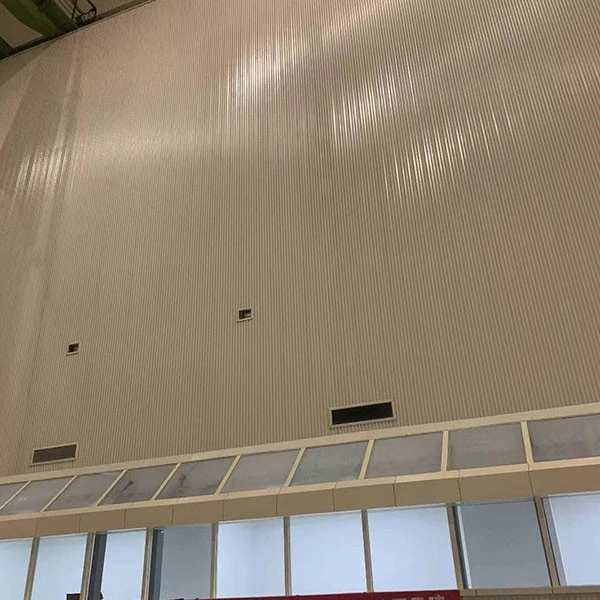

If you are involved in the development, testing, or production of microwave devices, and you need a reliable Rf Shielded Room or related facilities, we invite you to contact us for procurement and further discussion. Our team of experts is ready to assist you in selecting the right solution for your microwave device testing needs.
References
- "Electromagnetic Compatibility Engineering" by Henry W. Ott
- "Microwave Engineering" by David M. Pozar
- International Electrotechnical Commission (IEC) standards related to electromagnetic compatibility and microwave testing.