

When it comes to setting up an RF shielded room, there are a ton of factors to consider. One aspect that often doesn't get the attention it deserves is lighting. Yeah, you heard me right—lighting. It might seem like a minor detail compared to all the high - tech shielding stuff, but trust me, it's crucial. As an RF shielded room supplier, I've seen firsthand how the right lighting can make or break the functionality and comfort of these rooms.
Let's start with the basics. An RF shielded room is designed to block out external radio frequency interference. This is super important for all sorts of applications, like testing electronic devices, running sensitive experiments, or even in some cases, for privacy reasons. But when you're inside a shielded room, you need to be able to see what you're doing, right? That's where lighting comes in.
The first thing to understand is that traditional lighting fixtures can be a source of RF interference. Incandescent bulbs, for example, produce light by heating a filament. This process generates a small amount of electromagnetic radiation, which can potentially leak out and interfere with the sensitive equipment inside the shielded room. Fluorescent lights are another culprit. They use electrical discharges in a gas to produce light, and these discharges can also create RF noise.
So, what kind of lighting should you use in an RF shielded room? Well, LED lights are a great option. LEDs, or light - emitting diodes, are highly efficient and produce very little RF interference. They work by passing an electric current through a semiconductor material, which emits light. Since there are no filaments to heat or gas discharges, the RF emissions are minimal. Plus, LEDs come in a variety of colors and brightness levels, so you can customize the lighting to suit your specific needs.
But it's not just about choosing the right type of light source. You also need to think about how the lighting is installed. The wiring for the lights can act as an antenna, picking up and transmitting RF signals. To prevent this, all the wiring in the RF shielded room should be properly shielded. This means using cables with a conductive outer layer that can block the RF signals from escaping or entering.
Another important consideration is the placement of the lights. You want to make sure that the lighting is evenly distributed throughout the room. This helps to reduce shadows and ensures that you have good visibility in all areas. You might also want to use multiple light fixtures at different heights and angles to achieve the best lighting effect.
In addition to general lighting, you might also need specialized lighting for specific tasks. For example, if you're using the RF shielded room for testing electronic components, you might need a spotlight to illuminate a particular area. Or, if you're conducting experiments that require a specific light spectrum, you'll need to choose lights that can provide that.
Now, let's talk about some of the specific applications and how lighting requirements can vary.
Partial Discharge Lab
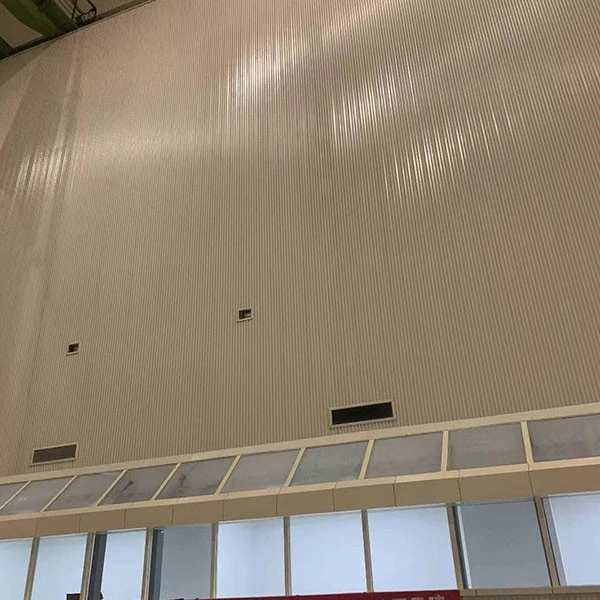
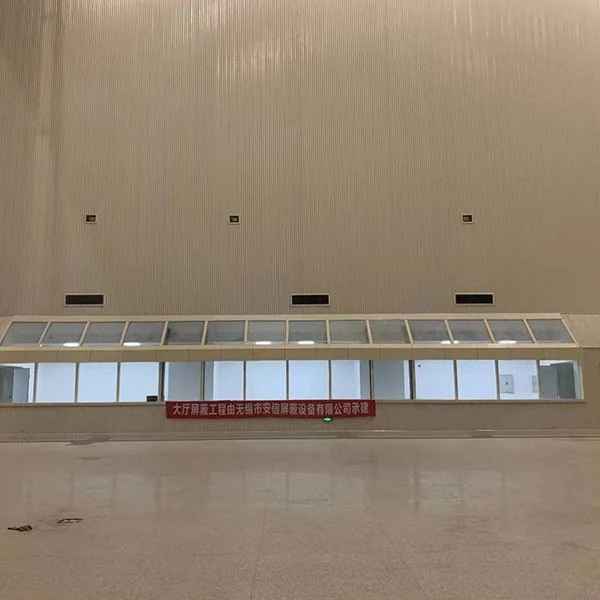
In a Partial Discharge Lab, the lighting needs to be very precise. Partial discharge testing is used to detect and analyze electrical discharges that occur within insulating materials. These discharges can be very sensitive to external interference, including light. You'll want to use low - RF - emitting LED lights that can be dimmed to control the light level. This allows you to create a controlled environment where you can accurately measure the partial discharges without any interference from the lighting.
EMI Shielding Cabinet
An EMI Shielding Cabinet is a smaller version of an RF shielded room, often used for protecting individual electronic devices. The lighting in an EMI shielding cabinet should be compact and efficient. LED strip lights are a popular choice as they can be easily installed along the edges of the cabinet. They provide enough light to see the contents of the cabinet without taking up too much space or generating excessive heat.
EMI Shielding Enclosure
An EMI Shielding Enclosure is similar to a cabinet but can be larger and more customized. The lighting requirements for an EMI shielding enclosure depend on its size and the type of equipment it houses. For larger enclosures, you might need multiple light fixtures to ensure even lighting. You'll also need to pay close attention to the wiring and shielding to prevent any RF leakage.
So, as you can see, lighting is a complex but important part of setting up an RF shielded room. Whether you're building a small EMI shielding cabinet or a large - scale partial discharge lab, getting the lighting right is essential for the proper functioning of the room.
If you're in the market for an RF shielded room and need help with the lighting requirements or any other aspects, don't hesitate to reach out. We're here to help you create the perfect RF shielded environment for your specific needs. Whether it's choosing the right light fixtures, ensuring proper wiring and shielding, or customizing the lighting for your application, we've got the expertise to get it done right. Contact us today to start the conversation about your RF shielded room project.
References
- "RF Shielding: Principles and Practices" by John D. Kraus
- "LED Lighting Handbook" by Mark Rea


