

What are the lighting requirements for an EMI shielding room?
As a supplier of EMI shielding rooms, I understand the importance of meeting the specific requirements of various industries. One crucial aspect that often gets overlooked is the lighting within these rooms. In this blog, I'll delve into the lighting requirements for an EMI shielding room, discussing the factors to consider and the best solutions available.
The Importance of Lighting in EMI Shielding Rooms
EMI shielding rooms are designed to block electromagnetic interference (EMI) and radio frequency interference (RFI). These rooms are used in a wide range of applications, including electronics testing, telecommunications, and medical research. While the primary focus is on shielding, proper lighting is essential for several reasons:
- Visibility and Safety: Adequate lighting is necessary for personnel to perform tasks safely and efficiently within the room. Poor lighting can lead to accidents, errors, and reduced productivity.
- Testing and Inspection: In many applications, such as electronics testing, proper lighting is crucial for accurate inspection and measurement. Insufficient lighting can make it difficult to detect defects or anomalies in the equipment being tested.
- Compliance: Some industries have specific lighting requirements for EMI shielding rooms to ensure compliance with safety and quality standards.
Factors to Consider When Choosing Lighting for an EMI Shielding Room
When selecting lighting for an EMI shielding room, several factors need to be taken into account:

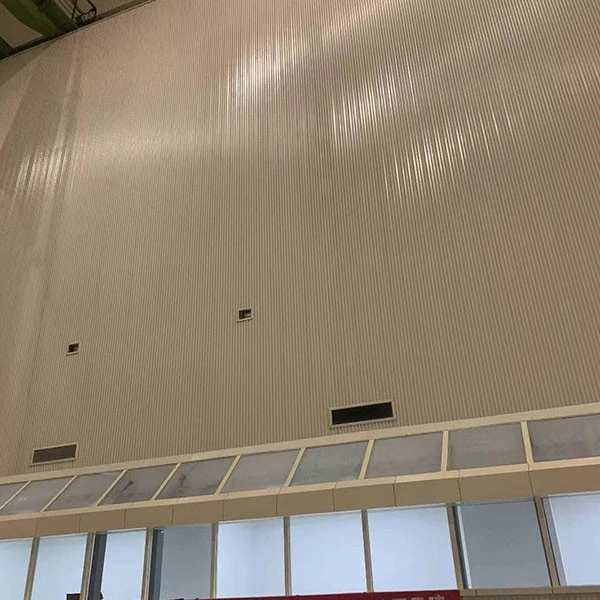
- EMI/RFI Emissions: The lighting fixtures should not generate significant EMI or RFI emissions that could interfere with the shielding effectiveness of the room. This means choosing fixtures that are designed to minimize electromagnetic radiation.
- Shielding Compatibility: The lighting fixtures should be compatible with the shielding materials used in the room. They should not compromise the integrity of the shielding or create gaps that could allow EMI/RFI to enter the room.
- Lighting Level: The lighting level should be sufficient for the tasks being performed within the room. Different applications may require different lighting levels, so it's important to assess the specific needs of the room.
- Color Temperature and Rendering Index: The color temperature and rendering index (CRI) of the lighting can affect the visibility and accuracy of color perception. A high CRI is generally preferred to ensure accurate color representation.
- Energy Efficiency: Energy-efficient lighting fixtures can help reduce operating costs and environmental impact. LED lighting is a popular choice for EMI shielding rooms due to its low energy consumption and long lifespan.
- Maintenance and Durability: The lighting fixtures should be easy to maintain and durable enough to withstand the harsh environment of an EMI shielding room. They should be resistant to dust, moisture, and other contaminants.
Types of Lighting for EMI Shielding Rooms
There are several types of lighting fixtures that are suitable for EMI shielding rooms:
- LED Lighting: LED lighting is the most popular choice for EMI shielding rooms due to its low EMI/RFI emissions, energy efficiency, and long lifespan. LED fixtures are available in a variety of colors and lighting levels, making them suitable for different applications.
- Fluorescent Lighting: Fluorescent lighting is another option for EMI shielding rooms. However, traditional fluorescent fixtures can generate significant EMI/RFI emissions, so it's important to choose fixtures that are designed to minimize electromagnetic radiation.
- Incandescent Lighting: Incandescent lighting is not recommended for EMI shielding rooms due to its high energy consumption and low efficiency. Incandescent bulbs also generate a significant amount of heat, which can be a problem in a confined space.
Installation and Design Considerations
Proper installation and design are crucial to ensure the effectiveness of the lighting in an EMI shielding room. Here are some key considerations:
- Shielding Seals: The lighting fixtures should be installed with proper shielding seals to prevent EMI/RFI from entering the room through the lighting openings.
- Grounding: The lighting fixtures should be properly grounded to minimize the risk of electrical shock and to reduce EMI/RFI emissions.
- Lighting Layout: The lighting layout should be designed to provide uniform illumination throughout the room. This may require the use of multiple lighting fixtures or the installation of reflectors to distribute the light evenly.
- Control Systems: The lighting system should be equipped with a control system that allows for easy adjustment of the lighting level and color temperature. This can help optimize the lighting for different tasks and applications.
Specific Applications and Lighting Requirements
Different applications may have specific lighting requirements for EMI shielding rooms. Here are some examples:
- Faraday Cage Enclosure: Faraday cages are used to protect sensitive electronic equipment from EMI/RFI. In a Faraday cage enclosure, the lighting fixtures should be designed to minimize electromagnetic radiation and to provide sufficient illumination for maintenance and inspection.
- Partial Discharge Lab: Partial discharge testing is used to detect insulation defects in electrical equipment. In a partial discharge lab, the lighting fixtures should be designed to minimize electromagnetic interference and to provide a stable and uniform lighting environment for accurate testing.
- Electromagnetic Shielding Cage: Electromagnetic shielding cages are used to protect personnel and equipment from high levels of EMI/RFI. In an electromagnetic shielding cage, the lighting fixtures should be designed to provide sufficient illumination for safety and visibility while minimizing electromagnetic radiation.
Conclusion
Proper lighting is essential for the safe and efficient operation of an EMI shielding room. When choosing lighting for an EMI shielding room, it's important to consider factors such as EMI/RFI emissions, shielding compatibility, lighting level, color temperature, energy efficiency, and maintenance. LED lighting is the most popular choice for EMI shielding rooms due to its low EMI/RFI emissions, energy efficiency, and long lifespan. Proper installation and design are also crucial to ensure the effectiveness of the lighting.
If you're in the market for an EMI shielding room or need assistance with lighting requirements, please don't hesitate to contact us. Our team of experts can help you choose the right lighting solutions for your specific needs and ensure that your EMI shielding room meets all the necessary requirements.
References
- "Electromagnetic Compatibility Engineering" by Henry W. Ott
- "Handbook of Electromagnetic Compatibility" by Clayton R. Paul
- "EMI/RFI Shielding Handbook" by John F. Coombs


