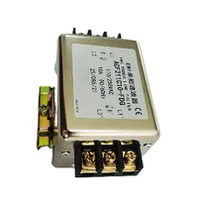
What are the installation requirements for an RFI EMC filter? Well, as an RFI EMC filter supplier, I've seen firsthand how important it is to get the installation right. In this blog, I'm gonna break down the key installation requirements for these filters, so you can make sure your setup is on point.
Understanding RFI EMC Filters
Before we jump into the installation requirements, let's quickly go over what RFI EMC filters actually are. RFI (Radio Frequency Interference) and EMC (Electromagnetic Compatibility) filters are used to suppress unwanted electrical noise and interference. They play a crucial role in ensuring that electronic devices operate smoothly without causing or being affected by interference. These filters are used in a wide range of applications, from industrial equipment to consumer electronics.
Site Assessment
The first step in installing an RFI EMC filter is to conduct a thorough site assessment. You need to identify the location where the filter will be installed and consider factors like the environment, available space, and proximity to other equipment.
Environmental Conditions
The environment can have a big impact on the performance and lifespan of the filter. For instance, if the installation site is in a high - humidity area, you need to choose a filter with proper moisture protection. Extreme temperatures can also affect the filter's performance. Make sure the ambient temperature at the installation site falls within the filter's specified operating range.
Space Constraints
You'll need to measure the available space carefully. The filter should fit comfortably in the designated area with enough room for ventilation and easy access for maintenance. Overcrowding the filter can lead to overheating and reduced efficiency.
Proximity to Other Equipment
Keep the filter away from other sources of electromagnetic interference, such as large motors or power transformers. These devices can generate strong electromagnetic fields that might interfere with the filter's operation. At the same time, consider the distance to the equipment that the filter is supposed to protect. Shorter cable runs between the filter and the protected equipment can minimize the chances of picking up additional interference.
Electrical Requirements
Proper electrical installation is essential for the filter to work effectively.
Voltage and Current Ratings
The filter must be rated for the correct voltage and current levels of the electrical system. Using a filter with a lower voltage or current rating can lead to overheating and even failure. Before installation, double - check the electrical specifications of your system and choose a filter that matches these requirements.
Grounding
Grounding is a critical part of RFI EMC filter installation. A good ground connection ensures that the filter can effectively divert unwanted electrical noise to the ground. Make sure the grounding conductor is of the appropriate size and has a low - resistance path to the ground. A loose or improper ground connection can significantly reduce the filter's performance and may even create safety hazards.
Circuit Configuration
The filter should be installed in the correct circuit configuration. Depending on the application, it could be a single - phase or three - phase circuit. For three - phase applications, you might need a 3 Phase Emc Filter or a 3 Phase Filter or a 3 Phase Ac Filter. Make sure to follow the manufacturer's wiring diagram carefully to ensure proper circuit connection.
Mounting and Securing
Proper mounting and securing of the filter are also important.


Mounting Surface
The filter should be mounted on a flat, stable surface. This helps to prevent vibrations that could loosen the connections or damage the filter. A metal mounting surface is often preferred as it can provide better grounding and heat dissipation.
Mounting Hardware
Use the appropriate mounting hardware recommended by the manufacturer. This ensures a secure fit and reduces the risk of the filter coming loose during operation. Make sure the screws or bolts are tightened to the specified torque.
Cable Management
Good cable management is crucial for the overall performance of the RFI EMC filter.
Input and Output Cables
Keep the input and output cables of the filter separated as much as possible. This helps to prevent electromagnetic coupling between the cables, which can re - introduce the interference that the filter is trying to eliminate. Use cable separators or routing channels to maintain a clear separation.
Cable Length
Try to keep the cable lengths as short as possible. Longer cables can act as antennas and pick up more interference. If longer cable runs are unavoidable, use shielded cables to reduce the risk of interference.
Testing and Commissioning
Once the installation is complete, it's time to test and commission the filter.
Initial Checks
Before powering on the system, do a visual inspection of all the connections. Make sure there are no loose wires, and all the components are properly installed. Check the grounding connection again to ensure it's secure.
Performance Testing
Power on the system and use appropriate test equipment to measure the filter's performance. Check for any remaining interference and compare the results with the expected performance. If the filter is not performing as expected, go back and check the installation steps to identify and fix any issues.
Special Considerations for Different Applications
Industrial Applications
In industrial settings, the filters may need to withstand harsh conditions, such as high levels of dust, vibration, and electrical noise. You might need to choose a more rugged filter with additional protection features. For example, Shielded Room Filters can be used in industrial environments where strict electromagnetic shielding is required.
Consumer Electronics
For consumer electronics, space and cost are often important factors. The filters need to be compact and affordable while still providing effective interference suppression. Ac Emc Filter are commonly used in consumer electronics to protect against AC - related interference.
Conclusion
Installing an RFI EMC filter correctly is crucial for its performance and the overall reliability of your electronic systems. By following these installation requirements, you can ensure that the filter works effectively and provides long - term protection against electromagnetic interference.
If you're in the market for an RFI EMC filter or have any questions about installation, feel free to reach out. We're here to help you find the right solution for your needs and ensure a smooth installation process. Get in touch with us to start a procurement discussion and take the first step towards a more interference - free electronic setup.