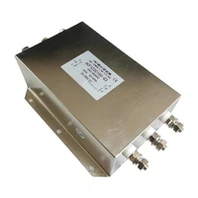
As a supplier of EMC Shielded Rooms, I've had the privilege of witnessing firsthand the crucial role these rooms play in various industries. EMC, or Electromagnetic Compatibility, Shielded Rooms are designed to block external electromagnetic interference (EMI) and prevent internal electromagnetic signals from leaking out. This creates a controlled environment for sensitive electronic equipment testing, research, and development. In this blog, I'll delve into the environmental conditions that are suitable for an EMC Shielded Room.
Temperature and Humidity
Temperature and humidity are two of the most critical environmental factors that can affect the performance of an EMC Shielded Room. Extreme temperatures can cause the metal shielding materials to expand or contract, which may lead to gaps in the shielding and compromise its effectiveness. High humidity can also cause corrosion of the shielding materials, reducing their ability to block electromagnetic waves.
For most EMC Shielded Rooms, the recommended temperature range is between 20°C and 25°C (68°F and 77°F), with a relative humidity of 40% to 60%. These conditions help maintain the integrity of the shielding materials and ensure consistent performance. In some cases, where the equipment inside the room is particularly sensitive, more precise temperature and humidity control may be required.
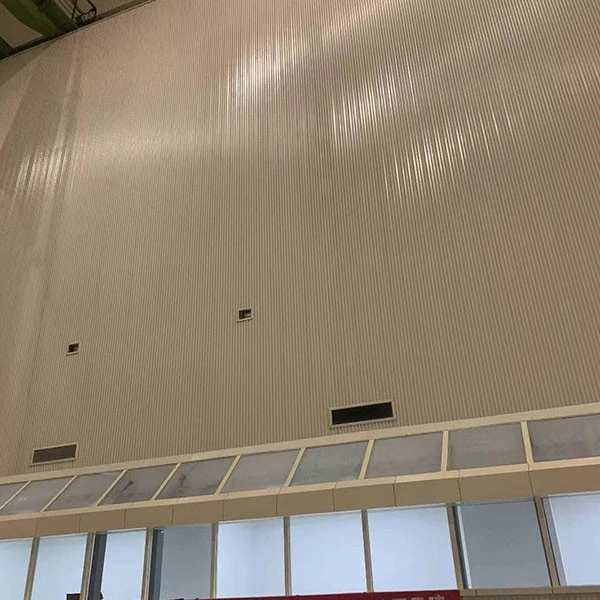

To achieve and maintain the appropriate temperature and humidity levels, EMC Shielded Rooms are often equipped with HVAC (Heating, Ventilation, and Air Conditioning) systems. These systems are designed to provide precise control over the environmental conditions inside the room, ensuring that they remain within the recommended range.
Air Quality
Air quality is another important consideration for EMC Shielded Rooms. Dust, dirt, and other particulate matter can accumulate on the shielding materials and equipment inside the room, which can affect their performance. In addition, certain chemicals and gases can react with the shielding materials, causing corrosion and reducing their effectiveness.
To maintain good air quality inside the EMC Shielded Room, it is important to have a proper ventilation system in place. The ventilation system should be designed to filter out dust, dirt, and other particulate matter, as well as control the levels of chemicals and gases in the air. In some cases, it may also be necessary to use air purifiers or other air treatment devices to further improve the air quality.
Electromagnetic Environment
The electromagnetic environment surrounding the EMC Shielded Room is also a crucial factor to consider. The room should be located in an area where there is minimal external electromagnetic interference. This includes avoiding areas near power lines, radio transmitters, and other sources of strong electromagnetic fields.
In addition, the EMC Shielded Room should be designed to minimize the internal electromagnetic emissions. This can be achieved by using proper grounding techniques, shielding cables, and other electromagnetic interference reduction measures. By minimizing both the external and internal electromagnetic emissions, the EMC Shielded Room can provide a more stable and reliable environment for sensitive electronic equipment.
Vibration and Noise
Vibration and noise can also have a significant impact on the performance of an EMC Shielded Room. Vibration can cause the shielding materials to move, which may lead to gaps in the shielding and compromise its effectiveness. Noise can also interfere with the operation of sensitive electronic equipment inside the room.
To minimize the effects of vibration and noise, the EMC Shielded Room should be located in a quiet area away from sources of vibration and noise. In addition, the room should be designed with proper vibration isolation and noise reduction measures. This may include using vibration isolation mounts, acoustic insulation, and other techniques to reduce the impact of vibration and noise on the room.
Physical Location and Installation
The physical location and installation of the EMC Shielded Room are also important considerations. The room should be installed on a stable and level surface to ensure that it remains structurally sound. In addition, the room should be located in an area where there is easy access for maintenance and repair.
During the installation process, it is important to follow the manufacturer's instructions carefully to ensure that the room is installed correctly. This includes proper grounding, sealing, and connection of the shielding materials. Any mistakes during the installation process can compromise the performance of the EMC Shielded Room.
Different Types of EMC Shielded Rooms and Their Specific Requirements
There are several different types of EMC Shielded Rooms, each with its own specific requirements. For example, Rf Shielded Room are designed to block radio frequency (RF) electromagnetic interference. These rooms typically require a higher level of shielding effectiveness in the RF frequency range.
Partial Discharge Lab are used for testing electrical equipment for partial discharge. These rooms need to have a very low level of internal electromagnetic emissions to ensure accurate testing results.
EMI Shielding Cage are often used for smaller-scale applications or for testing individual components. These cages are designed to provide a cost-effective solution for shielding against electromagnetic interference.
Conclusion
In conclusion, creating the right environmental conditions for an EMC Shielded Room is essential for ensuring its optimal performance. Temperature, humidity, air quality, electromagnetic environment, vibration, noise, and physical location and installation all play important roles in maintaining the integrity of the shielding and the functionality of the equipment inside the room.
As a supplier of EMC Shielded Rooms, we understand the importance of these environmental factors and are committed to providing our customers with high-quality products that meet their specific requirements. Whether you need a Rf Shielded Room, a Partial Discharge Lab, or an EMI Shielding Cage, we have the expertise and experience to design and install the perfect solution for you.
If you are interested in learning more about our EMC Shielded Rooms or would like to discuss your specific requirements, please feel free to contact us. We look forward to working with you to create the ideal environment for your sensitive electronic equipment.
References
- "Electromagnetic Compatibility Engineering" by Henry W. Ott
- "Shielding for EMC and EMP" by F. M. Tesche
- Industry standards and guidelines related to EMC Shielded Rooms.