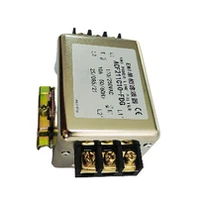
Hey there! As an EMI filter supplier, I've seen firsthand how crucial it is to properly test these filters. EMI, or electromagnetic interference, can wreak havoc on electronic devices, causing malfunctions and reducing performance. That's where EMI filters come in, acting as a shield to block unwanted electromagnetic signals. But how do you know if your EMI filter is doing its job? In this blog post, I'll walk you through the process of testing an EMI filter.
Why Test an EMI Filter?
Before we dive into the testing process, let's talk about why it's so important to test an EMI filter in the first place. When you're using electronic equipment, especially in sensitive environments like medical facilities, aerospace, or industrial control systems, even a small amount of EMI can have serious consequences. A faulty EMI filter might not effectively block out interference, leading to signal degradation, data errors, or even complete system failure.
By testing your EMI filters regularly, you can ensure that they're performing at their best. This not only helps to maintain the reliability of your electronic devices but also saves you from potential headaches and costly repairs down the line.
Tools You'll Need
To test an EMI filter, you'll need a few essential tools. Here's a list of what you should have on hand:


- Spectrum Analyzer: This is the most important tool for EMI testing. A spectrum analyzer allows you to measure the frequency spectrum of an electrical signal, which helps you identify the presence and strength of any unwanted EMI.
- Network Analyzer: A network analyzer is used to measure the scattering parameters (S-parameters) of the EMI filter. These parameters describe how the filter behaves in terms of reflection and transmission of signals at different frequencies.
- Signal Generator: A signal generator is used to produce a known electrical signal that can be used to test the filter's response.
- Power Supply: You'll need a power supply to provide the necessary electrical power to the filter during testing.
- Cables and Connectors: Make sure you have the appropriate cables and connectors to connect your test equipment to the EMI filter.
Testing the Insertion Loss
One of the most common tests for an EMI filter is the insertion loss test. The insertion loss is a measure of how much the filter reduces the strength of the unwanted EMI signals. Here's how you can perform an insertion loss test:
- Set up your test equipment: Connect the signal generator to the input of the EMI filter using a suitable cable. Then, connect the output of the filter to the spectrum analyzer. Make sure all the connections are secure.
- Generate a test signal: Use the signal generator to produce a test signal with a known frequency and amplitude. The frequency range of the test signal should cover the frequencies where you expect to encounter EMI.
- Measure the input signal: With the filter removed from the circuit, measure the amplitude of the test signal at the input using the spectrum analyzer. This is your reference level.
- Insert the filter: Reconnect the EMI filter to the circuit and measure the amplitude of the test signal at the output of the filter using the spectrum analyzer.
- Calculate the insertion loss: The insertion loss is calculated by subtracting the output amplitude from the input amplitude. The result is usually expressed in decibels (dB). A higher insertion loss indicates better performance of the filter.
Testing the S-Parameters
In addition to the insertion loss test, you can also test the S-parameters of the EMI filter using a network analyzer. The S-parameters provide more detailed information about the filter's performance, including its reflection and transmission characteristics. Here's how you can perform an S-parameter test:
- Calibrate the network analyzer: Before you start testing, you need to calibrate the network analyzer to ensure accurate measurements. Follow the manufacturer's instructions to perform the calibration.
- Connect the filter to the network analyzer: Connect the input and output ports of the EMI filter to the appropriate ports on the network analyzer using suitable cables.
- Set the frequency range: Set the frequency range on the network analyzer to cover the frequencies where you expect to encounter EMI.
- Measure the S-parameters: Use the network analyzer to measure the S-parameters of the filter, including S11 (reflection coefficient at the input), S22 (reflection coefficient at the output), S21 (transmission coefficient from input to output), and S12 (transmission coefficient from output to input).
- Analyze the results: The S-parameters can provide valuable information about the filter's performance. For example, a low S11 value indicates low reflection at the input, while a high S21 value indicates good transmission of the desired signals.
Testing Different Types of EMI Filters
As an EMI filter supplier, we offer a variety of different types of filters, including Signal Line Filter, 3 Phase Filter, and 4-line Filters. The testing process for these filters is generally similar, but there may be some specific considerations depending on the type of filter.
- Signal Line Filter: Signal line filters are designed to protect sensitive electronic signals from EMI. When testing a signal line filter, it's important to pay attention to the frequency range of the signals that the filter is designed to protect. You may need to adjust the test signal frequency accordingly.
- 3 Phase Filter: 3 phase filters are used in three-phase electrical systems to reduce EMI. When testing a 3 phase filter, you'll need to use a three-phase power supply and test each phase separately. Make sure to follow the manufacturer's instructions for testing three-phase filters.
- 4-line Filters: 4-line filters are commonly used in telecommunications and data communication systems. When testing a 4-line filter, you'll need to test each line separately to ensure that the filter is providing adequate protection.
Interpreting the Test Results
Once you've completed the testing process, it's important to interpret the results correctly. Here are some key points to keep in mind:
- Compare the results to the specifications: The manufacturer of the EMI filter should provide specifications for the filter's performance, including the insertion loss and S-parameters. Compare your test results to these specifications to determine if the filter is performing as expected.
- Look for trends: If you're testing multiple filters or testing the same filter over time, look for trends in the test results. A sudden change in the performance of the filter could indicate a problem.
- Consider the application: The performance requirements of an EMI filter can vary depending on the application. For example, a filter used in a medical device may need to have a higher level of performance than a filter used in a consumer electronic device. Make sure to consider the specific requirements of your application when interpreting the test results.
Conclusion
Testing an EMI filter is an important step in ensuring the reliability and performance of your electronic devices. By following the steps outlined in this blog post and using the right tools, you can effectively test your EMI filters and identify any potential issues. If you have any questions or need further assistance with EMI filter testing, don't hesitate to reach out. We're here to help you find the right EMI filter solutions for your needs and ensure that they're working properly. Whether you're in the market for a Signal Line Filter, 3 Phase Filter, or 4-line Filters, we've got you covered. Contact us today to start a conversation about your procurement needs and let's work together to keep your electronic systems running smoothly.
References
- Electromagnetic Compatibility Engineering by Henry W. Ott
- Handbook of Electromagnetic Compatibility by Clayton R. Paul