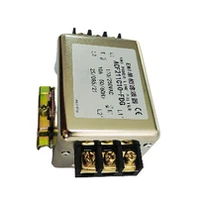
As a trusted 2-line Filters supplier, I understand the importance of properly installing these essential components in a circuit board. In this blog post, I'll guide you through the process of installing 2-line Filters in a circuit board, ensuring optimal performance and protection against electromagnetic interference (EMI) and radio frequency interference (RFI).
Understanding 2-line Filters
Before diving into the installation process, it's crucial to understand what 2-line Filters are and why they are necessary. 2-line Filters are designed to suppress EMI and RFI in electrical circuits by filtering out unwanted frequencies. They are commonly used in a wide range of applications, including power supplies, telecommunications equipment, and industrial control systems.
There are different types of filters available in the market, such as Ac Emc Filter and Rfi Emc Filter, each tailored to specific requirements. 2-line Filters are particularly useful in applications where there are two lines of electrical current, providing effective filtering for both lines simultaneously.
Tools and Materials Needed
To install 2-line Filters in a circuit board, you'll need the following tools and materials:
- 2-line Filters: Make sure to choose the right type and specifications for your application.
- Soldering Iron: A good-quality soldering iron with a fine tip is essential for precise soldering.
- Solder: Use a high-quality solder with the appropriate melting point for your circuit board.
- Flux: Flux helps to improve the soldering process by removing oxidation and ensuring a good bond between the components.
- Circuit Board: Ensure that the circuit board is clean and free from any debris or contaminants.
- Multimeter: A multimeter is used to test the continuity and functionality of the circuit after installation.
- Wire Cutters and Strippers: These tools are used to cut and strip the wires for proper connection.
Step-by-Step Installation Process
Step 1: Prepare the Circuit Board
Before installing the 2-line Filters, it's important to prepare the circuit board. Start by cleaning the board with a suitable solvent to remove any dirt, grease, or oxidation. This will ensure a good connection between the components and the board.
Next, identify the locations on the circuit board where the 2-line Filters will be installed. Refer to the circuit diagram or the manufacturer's instructions for the correct placement. Mark the locations with a pencil or a marker to ensure accuracy.
Step 2: Mount the 2-line Filters
Once the circuit board is prepared, it's time to mount the 2-line Filters. Carefully place the filters on the marked locations on the board, ensuring that the pins are aligned with the corresponding holes. Gently press the filters into place to ensure a secure fit.
If the filters have through-hole pins, insert them through the holes on the circuit board. If they have surface-mount pins, place them on the pads on the board. Make sure the filters are properly oriented according to the markings on the board or the manufacturer's instructions.
Step 3: Solder the Pins
After mounting the 2-line Filters, it's time to solder the pins to the circuit board. Heat the soldering iron to the appropriate temperature and apply a small amount of flux to the pins and the pads on the board. This will help the solder flow more easily and ensure a good connection.
Touch the tip of the soldering iron to the pin and the pad simultaneously, and then apply a small amount of solder. The solder should melt and flow around the pin, creating a smooth and shiny joint. Avoid applying too much solder, as this can cause short circuits or other problems.
Repeat the soldering process for all the pins on the 2-line Filters, making sure to allow each joint to cool and solidify before moving on to the next one. Once all the pins are soldered, inspect the joints for any signs of cold solder joints, such as cracks or uneven surfaces. If necessary, reheat the joint and add more solder to ensure a good connection.
Step 4: Test the Circuit
After soldering the 2-line Filters, it's important to test the circuit to ensure that it is functioning properly. Use a multimeter to test the continuity of the circuit and to check for any short circuits or other problems.
Connect the multimeter to the appropriate points on the circuit board and measure the voltage, current, and resistance. Compare the readings with the specifications provided by the manufacturer to ensure that the circuit is operating within the acceptable range.
If the circuit is not functioning properly, carefully inspect the soldering joints and the connections to the 2-line Filters. Look for any signs of loose connections, short circuits, or other problems. If necessary, re-solder the joints or make any other necessary adjustments to the circuit.
Step 5: Secure the Filters
Once the circuit has been tested and is functioning properly, it's important to secure the 2-line Filters to the circuit board. This will prevent them from moving or vibrating during operation, which can cause damage to the components or the circuit board.


Use a suitable adhesive or mounting hardware to secure the filters to the board. Make sure the filters are firmly attached and that there is no movement or play.
Tips and Best Practices
- Read the Manufacturer's Instructions: Before installing the 2-line Filters, carefully read the manufacturer's instructions and follow them closely. This will ensure that you install the filters correctly and that they function properly.
- Use the Right Tools and Materials: Make sure to use the right tools and materials for the installation process. This will ensure that the installation is done correctly and that the filters function properly.
- Take Your Time: Installing 2-line Filters requires precision and attention to detail. Take your time and make sure that each step is done correctly. Rushing through the installation process can lead to mistakes and problems.
- Test the Circuit Regularly: After installing the 2-line Filters, test the circuit regularly to ensure that it is functioning properly. This will help you to detect any problems early and to take appropriate action to fix them.
- Consider Using Additional Filters: In some cases, it may be necessary to use additional filters in the circuit to provide additional protection against EMI and RFI. Consider using 4-line Filters or other types of filters to meet your specific requirements.
Conclusion
Installing 2-line Filters in a circuit board is a relatively straightforward process that can provide significant benefits in terms of EMI and RFI suppression. By following the steps outlined in this blog post and using the right tools and materials, you can ensure a successful installation and optimal performance of your circuit.
If you have any questions or need further assistance with the installation of 2-line Filters, please don't hesitate to contact us. As a leading 2-line Filters supplier, we have the expertise and experience to help you choose the right filters for your application and to provide you with the support you need.
We are always ready to discuss your specific requirements and to provide you with customized solutions. Whether you are a small business or a large corporation, we can help you find the right 2-line Filters for your needs. Contact us today to start the procurement discussion and take the first step towards a more reliable and efficient electrical system.
References
- [Electromagnetic Compatibility Engineering Handbook](Author, Publisher, Year)
- [Circuit Board Design and Assembly Guide](Author, Publisher, Year)
- [2-line Filters Manufacturer's Manual](Manufacturer, Year)