

As a supplier of 3 PHASE AC FILTERs, I understand the importance of proper disposal. In today's world, environmental consciousness is at the forefront of many industries, and the electrical component sector is no exception. 3 PHASE AC FILTERs are essential in a variety of applications, helping to reduce electromagnetic interference and ensure the smooth operation of electrical systems. However, when these filters reach the end of their useful life, it is crucial to dispose of them in a way that is both safe and environmentally friendly.
Understanding the 3 PHASE AC FILTER
Before we delve into the proper disposal methods, let's first understand what a 3 PHASE AC FILTER is. A 3 PHASE AC FILTER is designed to filter out unwanted electrical noise in three - phase alternating current (AC) systems. These filters are commonly used in industrial equipment, manufacturing plants, power generation facilities, and large commercial buildings.
The construction of a 3 PHASE AC FILTER typically includes capacitors, inductors, and resistors. These components work together to block or divert unwanted electrical frequencies, preventing them from interfering with the normal operation of electrical devices. Some of our products, such as the 3 Phase Emc Filter and 3 Phase Filter are highly efficient in reducing electromagnetic interference in three - phase systems.
Why Proper Disposal Matters
Proper disposal of 3 PHASE AC FILTERs is of utmost importance for several reasons. Firstly, the capacitors in these filters may contain hazardous materials such as heavy metals like lead, mercury, and cadmium. If not disposed of properly, these heavy metals can leach into the soil and water, causing environmental pollution and potential health risks to humans and wildlife.
Secondly, the electronic components in 3 PHASE AC FILTERs can be recycled. Recycling helps to conserve natural resources, reduce the energy required to manufacture new components, and minimize the amount of waste sent to landfills. By recycling these filters, we can contribute to a more sustainable future.
Steps for Proper Disposal
1. Identify Local Regulations
The first step in proper disposal is to identify the local regulations regarding the disposal of electronic waste. Different regions have different laws and guidelines regarding the disposal of electronic components, including 3 PHASE AC FILTERs. In some areas, there may be specific collection points or recycling facilities for electronic waste. Contact your local environmental protection agency or waste management department to obtain information on the relevant regulations and disposal options.
2. Contact a Certified Recycling Facility
Once you are aware of the local regulations, the next step is to contact a certified recycling facility. Certified recycling facilities have the necessary equipment and expertise to handle electronic waste safely and responsibly. They can properly extract and recycle the valuable components in 3 PHASE AC FILTERs, while also ensuring that hazardous materials are disposed of in an environmentally friendly manner.
When choosing a recycling facility, make sure to verify their certification and reputation. Look for facilities that are compliant with relevant environmental standards, such as ISO 14001. You can also ask for recommendations from other businesses or industry associations.
3. Prepare the Filters for Disposal
Before sending the 3 PHASE AC FILTERs to the recycling facility, it is important to prepare them for disposal. This includes removing any non - electronic parts, such as brackets or mounting hardware. You should also label the filters clearly to indicate their contents and any potential hazards.
If the filters are still in working condition, consider donating them to a local school, community center, or non - profit organization that may be able to use them. This not only reduces waste but also provides a valuable resource for others.
4. Document the Disposal Process
It is essential to document the disposal process for record - keeping purposes. Keep a copy of the contract with the recycling facility, as well as any receipts or certificates of disposal. This documentation can be used to demonstrate compliance with local regulations and environmental standards.
Other Types of Filters and Their Disposal
In addition to 3 PHASE AC FILTERs, our company also supplies other types of filters, such as 2 - line Filters, Rfi Emc Filter, and Shielded Room Filters. The disposal methods for these filters are generally similar to those for 3 PHASE AC FILTERs.
However, it is important to note that different types of filters may contain different materials and have different levels of hazardous substances. Therefore, it is always necessary to check the specific requirements for each type of filter and follow the appropriate disposal procedures.
Encouraging Sustainable Practices
As a supplier, we are committed to promoting sustainable practices in the industry. We encourage our customers to not only dispose of our products properly but also to consider the environmental impact when purchasing filters. By choosing energy - efficient and recyclable filters, customers can contribute to a more sustainable future.

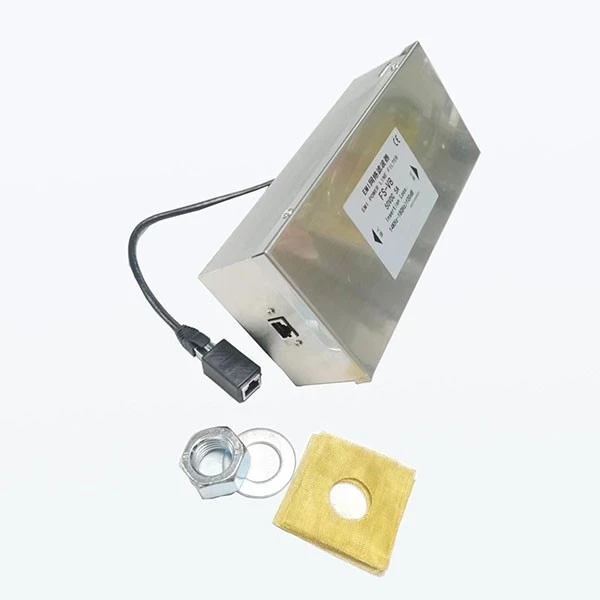
We also offer support and guidance to our customers on proper disposal methods. Our technical team is available to answer any questions regarding the disposal of our products and to provide recommendations on recycling facilities.
Contact for Procurement
If you are in need of high - quality 3 PHASE AC FILTERs or any of our other filter products, we invite you to contact us for procurement discussions. We have a wide range of products to meet your specific requirements, and our team of experts can assist you in selecting the most suitable filter for your application.


