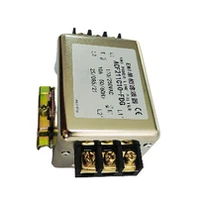
In the realm of electrical engineering and power systems, the significance of a 3 PHASE EMC FILTER cannot be overstated. As a trusted 3 PHASE EMC FILTER supplier, I understand the complexities and challenges that come with selecting the right filter for your specific needs. This blog aims to provide you with comprehensive insights into the factors to consider when choosing a 3 PHASE EMC FILTER, ensuring that you make an informed decision that aligns with your requirements.
Understanding the Basics of 3 PHASE EMC FILTERS
Before delving into the selection process, it's essential to have a clear understanding of what 3 PHASE EMC FILTERS are and how they function. EMC, or Electromagnetic Compatibility, refers to the ability of an electrical device or system to operate effectively in its electromagnetic environment without causing interference to other devices. A 3 PHASE EMC FILTER is designed to suppress electromagnetic interference (EMI) in three-phase electrical systems, ensuring that the electrical signals remain clean and free from unwanted noise.
These filters work by attenuating high-frequency noise and harmonics that can disrupt the normal operation of electrical equipment. They typically consist of passive components such as inductors, capacitors, and resistors, which are carefully arranged to form a circuit that filters out unwanted frequencies. By reducing EMI, 3 PHASE EMC FILTERS help to improve the reliability and performance of electrical systems, prevent malfunctions, and ensure compliance with electromagnetic compatibility standards.
Factors to Consider When Choosing a 3 PHASE EMC FILTER
1. Filter Rating
The first and most crucial factor to consider when choosing a 3 PHASE EMC FILTER is its rating. The rating of a filter refers to its maximum current-carrying capacity, voltage rating, and frequency range. It's essential to select a filter with a rating that matches the requirements of your electrical system. If the filter rating is too low, it may not be able to handle the current and voltage of your system, leading to overheating and potential damage. On the other hand, if the rating is too high, it may result in unnecessary costs and a larger physical footprint.
2. Attenuation Performance
Attenuation performance is another critical factor to consider when choosing a 3 PHASE EMC FILTER. Attenuation refers to the ability of the filter to reduce the amplitude of unwanted frequencies. The higher the attenuation, the better the filter's performance in suppressing EMI. When evaluating the attenuation performance of a filter, it's important to consider the frequency range of interest and the level of attenuation required. Different applications may have different attenuation requirements, so it's essential to choose a filter that can provide the necessary level of suppression at the frequencies of concern.
3. Insertion Loss
Insertion loss is a measure of the reduction in signal strength caused by the insertion of a filter into a circuit. It's an important parameter to consider because it affects the overall performance of the electrical system. A filter with a high insertion loss may cause a significant drop in signal strength, leading to reduced efficiency and performance. On the other hand, a filter with a low insertion loss may not provide sufficient attenuation of unwanted frequencies. Therefore, it's crucial to choose a filter with an appropriate insertion loss that balances the need for EMI suppression with the need to maintain signal integrity.
4. Filter Type
There are several types of 3 PHASE EMC FILTERS available on the market, each with its own unique characteristics and applications. The most common types of filters include 2-line Filters, Signal Line Filter, and 4-line Filters. The choice of filter type depends on the specific requirements of your application, such as the type of electrical system, the level of EMI, and the frequency range of interest.
- 2-line Filters: These filters are typically used in single-phase electrical systems or in applications where only two lines need to be filtered. They are relatively simple and cost-effective, making them a popular choice for many applications.
- Signal Line Filter: Signal line filters are designed to filter out EMI on signal lines, such as data cables, control cables, and communication lines. They are commonly used in electronic devices and systems to ensure the integrity of the signals being transmitted.
- 4-line Filters: 4-line filters are used in three-phase electrical systems to filter out EMI on all three phases and the neutral line. They provide comprehensive EMI suppression and are suitable for applications where high levels of interference are expected.
5. Physical Size and Mounting
The physical size and mounting requirements of the 3 PHASE EMC FILTER are also important considerations. Depending on the application, you may need to choose a filter that can fit into a specific space or be mounted in a particular way. Some filters are designed for panel mounting, while others are suitable for DIN rail mounting. It's important to choose a filter that can be easily installed and integrated into your electrical system.
6. Environmental Conditions
The environmental conditions in which the 3 PHASE EMC FILTER will be operating should also be taken into account. Factors such as temperature, humidity, vibration, and dust can affect the performance and reliability of the filter. It's important to choose a filter that is designed to withstand the environmental conditions of your application. For example, if the filter will be operating in a high-temperature environment, you may need to choose a filter with a high-temperature rating.
Working with a Reliable 3 PHASE EMC FILTER Supplier
Choosing the right 3 PHASE EMC FILTER is a critical decision that can have a significant impact on the performance and reliability of your electrical system. Working with a reliable and experienced supplier is essential to ensure that you get the right filter for your specific needs. As a 3 PHASE EMC FILTER supplier, we have the expertise and knowledge to help you select the most suitable filter for your application.
We offer a wide range of high-quality 3 PHASE EMC FILTERS that are designed to meet the diverse needs of our customers. Our filters are manufactured using the latest technology and materials, ensuring superior performance and reliability. We also provide comprehensive technical support and after-sales service to ensure that you get the most out of your filter.
If you're in the process of selecting a 3 PHASE EMC FILTER for your application, we encourage you to contact us to discuss your requirements. Our team of experts will be happy to assist you in choosing the right filter and provide you with all the information you need to make an informed decision.
Conclusion
Choosing the right 3 PHASE EMC FILTER is a complex process that requires careful consideration of several factors. By understanding the basics of 3 PHASE EMC FILTERS and considering the factors outlined in this blog, you can make an informed decision that ensures the performance, reliability, and compliance of your electrical system. As a trusted 3 PHASE EMC FILTER supplier, we are committed to providing you with the highest quality products and services to meet your needs. Contact us today to learn more about our 3 PHASE EMC FILTERS and how we can help you with your application.