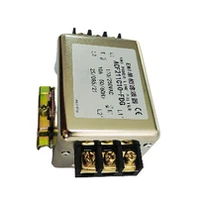
As a supplier of 2 - line filters, I've often been asked about the feasibility of using our products in marine electronics. The marine environment is a unique and challenging one, with specific requirements for electronic equipment. In this blog post, I'll explore whether 2 - line filters can be effectively used in marine electronics and the considerations involved.
Understanding 2 - line Filters
Before delving into their application in marine electronics, let's first understand what 2 - line filters are. 2 - line filters are designed to suppress electromagnetic interference (EMI) and radio - frequency interference (RFI) in electrical circuits. They typically consist of passive components such as inductors and capacitors, which work together to block unwanted high - frequency signals while allowing the desired low - frequency signals to pass through.
These filters are commonly used in a variety of electronic devices to improve the performance and reliability of the equipment. They can reduce noise, prevent signal distortion, and protect sensitive components from damage caused by EMI/RFI.
The Marine Environment and Its Challenges
The marine environment poses several challenges for electronic equipment. Saltwater is highly corrosive, which can cause damage to the components of electronic devices over time. Additionally, the marine environment is subject to high levels of humidity, temperature variations, and mechanical vibrations. All these factors can affect the performance and lifespan of electronic equipment.
In terms of electromagnetic interference, the marine environment is also a complex one. There are various sources of EMI/RFI, such as radar systems, communication equipment, and electrical motors on board ships. These interferences can disrupt the normal operation of other electronic devices, leading to malfunctions or reduced performance.
Suitability of 2 - line Filters in Marine Electronics
EMI/RFI Suppression
One of the main advantages of using 2 - line filters in marine electronics is their ability to suppress EMI/RFI. As mentioned earlier, the marine environment is full of sources of electromagnetic interference. By installing 2 - line filters in electronic circuits, we can effectively reduce the impact of these interferences on the performance of the equipment.
For example, in communication systems on board ships, 2 - line filters can help to improve the signal quality by reducing the noise caused by EMI/RFI. This can lead to clearer and more reliable communication, which is crucial for the safety and efficiency of maritime operations.
Protection of Sensitive Components
Marine electronic equipment often contains sensitive components that are vulnerable to damage from EMI/RFI. 2 - line filters can act as a protective barrier, preventing high - frequency signals from reaching these components. This can extend the lifespan of the components and reduce the likelihood of malfunctions.
For instance, in navigation systems, which rely on accurate sensor data, 2 - line filters can protect the sensors from EMI/RFI, ensuring the accuracy of the navigation information. This is essential for safe navigation in the open sea.
Compatibility with Marine Electronics
2 - line filters can be designed to be compatible with the specific requirements of marine electronics. They can be made with materials that are resistant to corrosion, humidity, and temperature variations. For example, some 2 - line filters are encapsulated in a protective housing that can withstand the harsh marine environment.
Limitations
However, there are also some limitations to using 2 - line filters in marine electronics. One of the main challenges is the size and weight of the filters. In marine applications, space and weight are often limited, especially on smaller vessels. Therefore, the filters need to be designed to be compact and lightweight without sacrificing their performance.
Another limitation is the cost. High - quality 2 - line filters that are suitable for the marine environment can be relatively expensive. This may be a deterrent for some ship owners or operators, especially those on a tight budget.
Considerations for Using 2 - line Filters in Marine Electronics
Environmental Resistance
When selecting 2 - line filters for marine electronics, it is important to choose filters that are designed to be resistant to the marine environment. This includes resistance to corrosion, humidity, and temperature variations. Filters with a protective coating or enclosure can help to ensure their long - term reliability in the marine environment.
Performance Requirements
The performance requirements of the marine electronic equipment should also be taken into account. Different applications may have different levels of EMI/RFI suppression requirements. For example, communication systems may require higher levels of suppression compared to some less critical auxiliary systems. Therefore, the filters should be selected based on the specific performance requirements of the equipment.
Installation and Maintenance
Proper installation and maintenance are crucial for the effective operation of 2 - line filters in marine electronics. The filters should be installed in accordance with the manufacturer's instructions to ensure optimal performance. Regular maintenance, such as inspection and cleaning, can also help to extend the lifespan of the filters.
Related Products
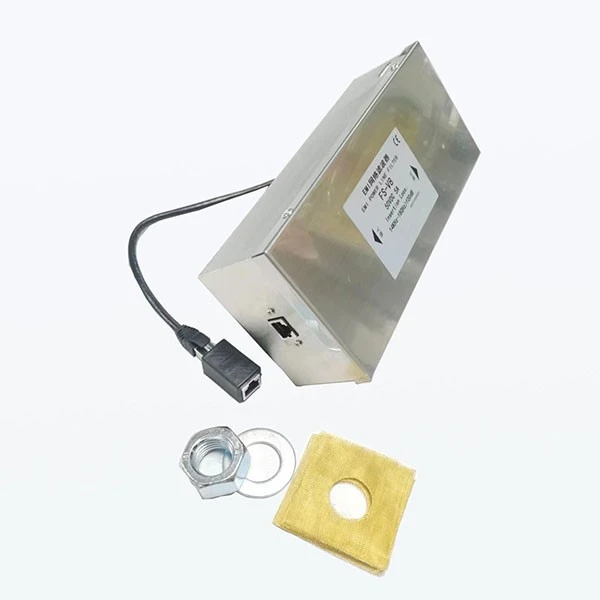
In addition to 2 - line filters, there are other types of filters that may also be suitable for marine electronics. For example, Shielded Room Filters can provide additional protection against EMI/RFI in enclosed spaces on board ships. Signal Line Filter are designed specifically for filtering signals in communication and data transmission systems. Rfi Emc Filter can also be used to suppress RFI and meet the EMC requirements of marine electronic equipment.

Conclusion
In conclusion, 2 - line filters can be used in marine electronics, but there are several factors that need to be considered. Their ability to suppress EMI/RFI and protect sensitive components makes them a viable option for many marine applications. However, the challenges of the marine environment, such as corrosion, humidity, and cost, need to be carefully addressed.
If you are interested in using 2 - line filters in your marine electronic equipment, I encourage you to contact us for more information. We can provide you with detailed product specifications and help you select the most suitable filters for your specific needs. Our team of experts is also available to offer technical support and advice on installation and maintenance.
References
- "Electromagnetic Compatibility in Marine Systems" - A technical report on the challenges and solutions for EMI/RFI in marine electronics.
- "Marine Electronic Equipment Design and Maintenance" - A comprehensive guide on the design, installation, and maintenance of electronic equipment in the marine environment.