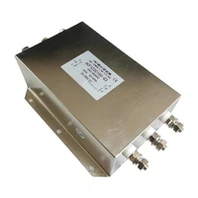
Hey there! As a supplier of 3 PHASE EMC FILTERS, I often get asked about the wiring method of these nifty devices. So, I thought I'd take the time to break it down for you in a way that's easy to understand.
First off, let's talk a bit about what a 3 PHASE EMC FILTER is and why it's important. EMC stands for Electromagnetic Compatibility, and these filters are designed to reduce electromagnetic interference (EMI) in electrical systems. In a 3-phase electrical setup, which is commonly used in industrial and commercial applications, these filters play a crucial role in ensuring that the electrical equipment operates smoothly without causing interference to other nearby devices.
Now, let's dive into the wiring method. The wiring of a 3 PHASE EMC FILTER can seem a bit daunting at first, but once you understand the basics, it's not that complicated.
General Wiring Principles
The 3 PHASE EMC FILTER typically has several terminals for input and output connections. On the input side, you'll have three terminals for the three phases (usually labeled L1, L2, and L3), a neutral terminal (N), and a ground terminal (PE). The output side also has corresponding terminals for the phases, neutral, and ground.
When wiring the filter, it's important to follow the correct polarity and phase sequence. The phase sequence should be maintained as it was in the original electrical system. This means that if the incoming phases are in the order of L1, L2, L3, they should be connected to the corresponding input terminals of the filter in the same order.
Step-by-Step Wiring Process
Step 1: Power Off
Before you start any wiring work, make sure to turn off the power supply to the electrical system. This is a crucial safety step to prevent electric shock and damage to the equipment.
Step 2: Identify the Input and Output Terminals
Locate the input and output terminals on the 3 PHASE EMC FILTER. The input terminals are where you'll connect the incoming power, and the output terminals are where you'll connect the load (the electrical equipment that will be using the filtered power).
Step 3: Connect the Phases
Take the three incoming phase wires (L1, L2, and L3) and connect them to the corresponding input terminals on the filter. Use appropriate wire connectors, such as crimp connectors or screw terminals, to ensure a secure connection. Make sure the wires are tightly connected to prevent any loose connections that could cause arcing or overheating.
Step 4: Connect the Neutral
Connect the neutral wire (N) to the neutral input terminal on the filter. Similar to the phase connections, use proper wire connectors to ensure a good electrical connection.


Step 5: Connect the Ground
Connect the ground wire (PE) to the ground input terminal on the filter. The ground connection is essential for safety, as it provides a path for electrical faults to be safely diverted to the ground.
Step 6: Connect the Output
Once you've connected the input wires, connect the output wires from the filter to the load. Connect the three phase wires, neutral wire, and ground wire to the corresponding output terminals on the filter and then to the load.
Wiring Considerations
- Wire Size: Make sure to use the correct wire size for the connections. The wire size should be appropriate for the current rating of the filter and the electrical system. Using undersized wires can lead to overheating and electrical problems.
- Distance: Try to keep the distance between the filter and the load as short as possible. Long wire runs can introduce additional electromagnetic interference and reduce the effectiveness of the filter.
- Shielding: If possible, use shielded cables for the connections. Shielded cables can help reduce electromagnetic interference and improve the performance of the filter.
Different Types of 3 PHASE EMC FILTERS and Their Wiring
There are different types of 3 PHASE EMC FILTERS available in the market, each with its own specific wiring requirements. For example, some filters may have additional terminals for special functions or features.
If you're interested in other types of filters, you might want to check out 2-line Filters and Rfi Emc Filter. These filters are designed for different applications and may have different wiring methods.
Our 3 Phase Ac Filter is a popular choice for many industrial and commercial applications. It's designed to provide excellent electromagnetic interference suppression and ensure the reliable operation of electrical equipment.
Troubleshooting Wiring Issues
If you encounter any problems after wiring the 3 PHASE EMC FILTER, here are some common issues and solutions:
- No Power: Check the power supply to make sure it's turned on. Also, check the connections to ensure they are secure and properly wired.
- Interference Still Present: This could be due to incorrect wiring or a problem with the filter itself. Double-check the wiring to make sure it's correct, and if the problem persists, contact a professional electrician or the filter manufacturer for further assistance.
- Overheating: Overheating could be caused by undersized wires or a short circuit. Check the wire size and the connections to make sure there are no loose or shorted wires.
Conclusion
Wiring a 3 PHASE EMC FILTER is not as difficult as it may seem. By following the correct wiring method and taking the necessary safety precautions, you can ensure that the filter operates effectively and provides reliable electromagnetic interference suppression.
If you're in the market for a 3 PHASE EMC FILTER or have any questions about wiring or installation, don't hesitate to reach out to us. We're here to help you find the right filter for your application and provide you with the support you need.
References
- EMC Filter Installation Manuals
- Electrical Wiring Codes and Standards