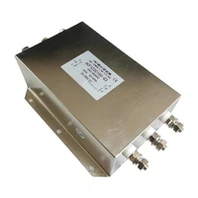
Hey there! As an AC EMC filter supplier, I often get asked about the frequency range of these nifty devices. So, let's dive right in and break it down.
Understanding the Basics of AC EMC Filters
First off, what exactly are AC EMC filters? Well, EMC stands for Electromagnetic Compatibility. These filters are designed to reduce electromagnetic interference (EMI) and radio-frequency interference (RFI) in alternating current (AC) circuits. They act as shield between sensitive electronic equipment and the noisy electrical environment.
The Frequency Range
The frequency range of an AC EMC filter is crucial because it determines the types of interference the filter can handle. Generally, the frequency range of AC EMC filters spans from a few kilohertz (kHz) to several gigahertz (GHz).


At the lower end of the spectrum, around 10 kHz to 1 MHz, these filters deal with power line noise. This is the kind of interference that can come from electrical motors, switches, and other large electrical appliances. The noise at these frequencies can cause problems like flickering lights, humming sounds in audio systems, and even malfunctions in sensitive electronic devices.
As we move up to the medium - frequency range, from 1 MHz to 30 MHz, the filter starts dealing with radio - frequency interference that can radiate from various sources, such as radio transmitters and electrical equipment with high - frequency components.
In the high - frequency range, from 30 MHz all the way up to several GHz, the filters handle interference from modern digital devices, Wi - Fi routers, cell phones, and other wireless communication equipment. This high - frequency interference can disrupt the proper functioning of electronic equipment, causing data errors, dropped connections, and other performance issues.
Why the Frequency Range Matters
The specific frequency range of an AC EMC filter is determined by the application it's designed for. For example, if you're using the filter in a home audio system, you might need a filter that focuses on the lower to medium frequency ranges to eliminate power line noise and radio - frequency interference that could affect the sound quality.
On the other hand, if you're dealing with industrial equipment or data centers, the filter needs to have a wider frequency range to handle all the different types of interference generated by a large number of electronic devices. Industrial machinery can generate high - frequency noise due to the rapid switching of electrical currents, and data centers are filled with servers, routers, and other devices that emit various frequencies of electromagnetic radiation.
Different Types of AC EMC Filters and Their Frequency Ranges
- 4 - line Filters: These filters are often used in applications where multiple power lines need to be filtered simultaneously. They can have a frequency range that typically starts from around 10 kHz to 100 MHz or even higher, depending on the specific design. Check out our 4 - line Filters for more details.
- Rfi Emc Filter: The main purpose of an RFI EMC filter is to reduce radio - frequency interference. These filters usually have a frequency range that starts from the low - MHz range and can go up to several hundred MHz or even GHz. You can learn more about our Rfi Emc Filter on our website.
- 3 Phase Emc Filter: Designed for three - phase electrical systems, these filters are commonly used in industrial settings. Their frequency range can cover a broad spectrum, starting from a few kHz to well into the MHz range. If you're interested in our 3 Phase Emc Filter, click the link for more information.
Selecting the Right Frequency Range
When choosing an AC EMC filter, it's important to select the right frequency range for your specific application. Here are some factors to consider:
- Source of Interference: Identify where the interference is coming from. Is it from the power line, nearby radio transmitters, or other electronic devices? This will give you an idea of the frequency range you need to target.
- Sensitivity of Equipment: Determine how sensitive your electronic equipment is to electromagnetic interference. More sensitive equipment may require a filter with a wider and more precise frequency range.
- Regulatory Requirements: In many industries, there are specific regulatory requirements regarding electromagnetic compatibility. Make sure the filter you choose complies with these regulations.
Our Role as a Supplier
As an AC EMC filter supplier, we have a wide range of filters with different frequency ranges to meet the needs of various applications. We understand that it can be confusing to choose the right filter, which is why our team of experts is always ready to help. We can assist you in analyzing your interference problems, choosing the most suitable filter, and even providing installation and maintenance advice.
Let's Connect for Your Filter Needs
If you're facing electromagnetic interference issues in your power systems or you're simply looking for a reliable AC EMC filter, don't hesitate to reach out. Whether it's a custom - designed filter for a unique application or a standard filter for common use, we've got you covered. Contact us today to start a conversation about how we can help you with your AC EMC filter requirements.
References
- "Electromagnetic Compatibility Engineering" by Henry W. Ott
- "Handbook of Electromagnetic Compatibility" edited by Clayton R. Paul