Yo, folks! As a supplier of EMI shielded rooms, I've gotten tons of questions about the size limitations of these bad boys. So, I thought I'd break it down for y'all in this blog.
First off, let's understand what an EMI shielded room is. It's a space designed to block electromagnetic interference (EMI) from getting in or out. This is super important for all sorts of industries, like electronics testing, medical research, and even data centers. You don't want outside EMI screwing up your sensitive equipment or data, right?
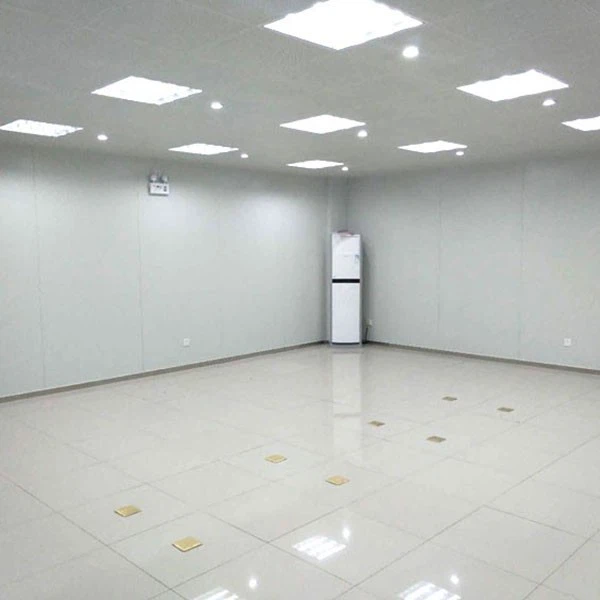

Now, onto the size limitations. There isn't a one - size - fits - all answer here. The size of an EMI shielded room can vary widely depending on a bunch of factors.
Physical Constraints
One of the biggest factors is the physical space where you plan to install the shielded room. If you're working in a small lab or a tight office, obviously, you're not going to be able to fit a huge room. You've got to work within the dimensions of the available area. For example, if you have a space that's only 10 feet by 10 feet, you're going to need a shielded room that can fit within those boundaries.
But it's not just about the floor space. The height of the room also matters. Some applications might require a taller ceiling to accommodate large pieces of equipment. If you're testing big antennas or running experiments with tall machinery, you need a room with enough vertical clearance.
Structural Support
Another thing to consider is the structural support of the building. A large EMI shielded room can be pretty heavy, especially if it's made of thick metal. The floor and walls of the building need to be able to handle the weight. If the building's structure can't support a large, heavy shielded room, you might have to go for a smaller, lighter option.
Cost
Cost is always a major factor when it comes to any project. Generally, the larger the EMI shielded room, the more it's going to cost. You've got to pay for more materials, more labor to install it, and potentially more maintenance down the road.
For instance, a small EMI Shielding Cage might be a cost - effective solution for a startup or a small research project. It's relatively inexpensive and can still provide a decent level of shielding. On the other hand, a large Electromagnetic Shielding Room for a big corporation or a major research facility is going to have a much higher price tag.
Shielding Effectiveness
The size of the room can also affect its shielding effectiveness. As the room gets larger, it becomes more challenging to maintain a consistent level of shielding throughout the entire space. You might need to use more advanced shielding materials or techniques to ensure that the EMI is blocked effectively.
In a small room, it's easier to control the shielding. You can use simpler shielding methods and still get good results. But in a large room, you might have to deal with issues like leakage at the seams or corners. You might need to use additional layers of shielding or special gaskets to seal up any potential weak points.
Types of EMI Shielded Rooms and Their Size Considerations
Let's take a look at different types of EMI shielded rooms and how their size limitations can vary.
Welded Shielding Room
A Welded Shielding Room is known for its high - quality shielding. It's built by welding together metal panels, which creates a very tight seal. These rooms can be made in a wide range of sizes. However, because they're welded on - site, larger rooms can take longer to install. And if the installation area is difficult to access, it can be a real challenge to build a large welded room.
Modular Shielded Room
The Modular Shielded Room is a more flexible option. It's made up of pre - fabricated panels that can be easily assembled on - site. This type of room can be adjusted to fit different sizes. You can start with a small modular room and add more panels later if you need to expand. This makes it a great choice for businesses that might need to grow or change their shielding requirements over time.
Rf Shielded Room
An Rf Shielded Room is designed specifically to block radio frequency (RF) interference. The size of an RF shielded room can be influenced by the type of RF equipment you're using. If you're working with large RF transmitters or receivers, you'll need a bigger room to accommodate them. But again, you've got to balance the size with the cost and the shielding effectiveness.
Custom - Built Solutions
In many cases, customers come to us with specific size requirements. That's where our custom - built solutions come in. We can design and build an EMI shielded room to fit your exact needs, whether it's a small, compact room for a home office or a large, industrial - scale room for a big company.
When we're working on a custom project, we take into account all the factors we've discussed: the available space, the structural support, the cost, and the shielding requirements. We work closely with our customers to make sure that the final product meets their expectations.
Conclusion
So, to sum it up, there's no hard - and - fast rule about the size limitations of an EMI shielded room. It depends on a whole bunch of factors, including the physical space, structural support, cost, and shielding effectiveness.
If you're in the market for an EMI shielded room, don't hesitate to reach out to us. We've got the expertise and experience to help you find the right solution for your needs. Whether you're looking for a small EMI Shielding Cage or a large Electromagnetic Shielding Room, we can guide you through the process. Let's have a chat and see how we can work together to get you the perfect EMI shielded room.