Hey there! As a supplier of EMC shielded rooms, I often get asked about the requirements for using these rooms in a cleanroom environment. It's a pretty critical topic, especially for industries that rely on both electromagnetic shielding and a contamination - free workspace. So, let's dive right in and break down what you need to know.

1. Electromagnetic Compatibility (EMC) Performance
First off, the main reason you're using an EMC shielded room is to control electromagnetic interference (EMI). In a cleanroom, this is even more crucial because sensitive electronic components and testing equipment are likely being used. The EMC shielded room should have a high shielding effectiveness (SE). SE is usually measured in decibels (dB), and the higher the number, the better the shielding.
For most cleanroom applications, you'll want a shielded room with an SE of at least 60 dB in the frequency range of interest. If you're dealing with extremely sensitive equipment or high - power electromagnetic sources, you might need an SE of 80 dB or more. Our EMI Shielded Room is designed to meet these high - end requirements, providing reliable shielding across a wide frequency spectrum.
2. Cleanliness and Contamination Control
Since we're talking about a cleanroom, the EMC shielded room must meet the cleanliness standards of the cleanroom. This means that the materials used in the construction of the shielded room should be non - shedding and easy to clean.
The interior surfaces of the shielded room should be smooth and free of cracks or crevices where particles could accumulate. Stainless steel is a popular choice for the interior walls of EMC shielded rooms in cleanrooms because it's durable, easy to clean, and doesn't generate a lot of particles.
Also, the installation process should be carried out in a way that minimizes the introduction of contaminants. Our installation teams are trained to follow strict cleanroom protocols, ensuring that the shielded room is installed without causing any unnecessary contamination.
3. Airflow and Ventilation
Proper airflow and ventilation are essential in a cleanroom, and the EMC shielded room needs to fit seamlessly into the existing ventilation system. The shielded room should have appropriate openings for air intake and exhaust, and these openings should be designed to maintain the integrity of the electromagnetic shield.
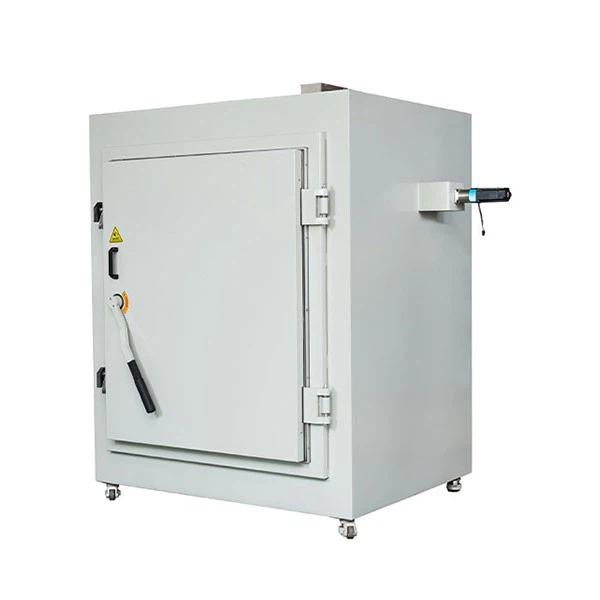
Filters are often used at the air intake and exhaust points to prevent the entry of particles into the shielded room. High - efficiency particulate air (HEPA) filters are commonly used in cleanrooms, and they can also be incorporated into the ventilation system of the EMC shielded room. Our EMI Shielding Enclosure can be customized with ventilation systems that meet your specific cleanroom requirements.
4. Electrical and Grounding Requirements
In a cleanroom, the electrical systems of the EMC shielded room need to be carefully designed. The electrical wiring should be installed in a way that minimizes EMI. Shielded cables are often used to reduce the amount of electromagnetic radiation emitted by the wires.
Grounding is another crucial aspect. The EMC shielded room should be properly grounded to provide a low - impedance path for electrical currents. A good grounding system helps to prevent electrostatic discharge (ESD), which can damage sensitive electronic components in the cleanroom. Our engineers can design a grounding system that meets the specific electrical requirements of your cleanroom.
5. Size and Layout
The size and layout of the EMC shielded room should be carefully planned to fit within the cleanroom space. You need to consider the equipment that will be placed inside the shielded room, as well as the access requirements for operators.
The shielded room should be large enough to accommodate all the necessary equipment without overcrowding, but also small enough to fit within the available cleanroom space. Our team can work with you to design a custom - sized Welded EMI Shielding Room that meets your specific size and layout needs.
6. Door and Window Design
The doors and windows of the EMC shielded room are potential weak points in the electromagnetic shield. They need to be designed to provide a high level of shielding while still allowing easy access and visibility.
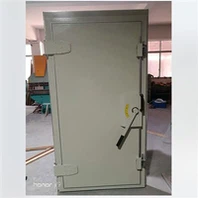
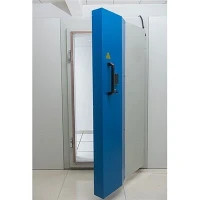
The doors should have a good seal to prevent electromagnetic leakage. Gaskets are often used around the edges of the doors to ensure a tight seal. Windows, if required, should be made of special conductive glass that provides electromagnetic shielding. Our EMI Shielding Cabinet comes with well - designed doors and, if needed, windows that maintain the shielding integrity.
7. Monitoring and Maintenance
Once the EMC shielded room is installed in the cleanroom, it's important to have a monitoring and maintenance plan in place. Regular checks should be carried out to ensure that the shielding effectiveness remains within the required range.
Monitoring equipment can be used to measure the electromagnetic field inside and outside the shielded room. Any signs of degradation in the shielding performance should be addressed immediately. Maintenance tasks may include cleaning the interior surfaces, checking the integrity of the electrical connections, and replacing worn - out gaskets. Our company offers comprehensive maintenance services to keep your EMC shielded room in top condition.
8. Compliance with Standards
The EMC shielded room must comply with relevant industry standards. In the cleanroom environment, standards such as ISO 14644 for cleanroom classification and CISPR 11 for industrial, scientific, and medical (ISM) equipment emissions need to be considered.
Our products are designed and tested to meet these international standards, ensuring that you can use our EMC shielded rooms with confidence in your cleanroom application.
If you're in the market for an EMC shielded room for your cleanroom, we're here to help. We've got a wide range of products, from EMI Shielding Cages to large - scale welded shielding rooms, all designed to meet the unique requirements of cleanroom environments. Reach out to us to discuss your specific needs and get a customized solution that fits your budget and application.