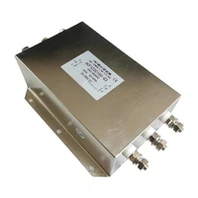
As a supplier of RFI EMC filters, I understand the critical role these components play in ensuring the proper functioning of electronic equipment by mitigating electromagnetic interference (EMI) and radio frequency interference (RFI). In this blog post, I will delve into the maintenance requirements for RFI EMC filters to help you keep your systems running smoothly and efficiently.
Understanding RFI EMC Filters
Before we discuss maintenance, let's briefly review what RFI EMC filters are and how they work. RFI EMC filters are electronic devices designed to suppress unwanted electrical noise and interference in power lines and signal cables. They consist of passive components such as capacitors, inductors, and resistors arranged in a specific configuration to attenuate high-frequency noise while allowing the desired low-frequency signals to pass through.
These filters are commonly used in a wide range of applications, including industrial equipment, telecommunications systems, medical devices, and consumer electronics. By reducing EMI and RFI, they help prevent malfunctions, improve system performance, and ensure compliance with electromagnetic compatibility (EMC) standards.
Maintenance Requirements for RFI EMC Filters
Regular Inspection
Regular inspection is the first step in maintaining RFI EMC filters. Visual inspection can help identify any physical damage, such as cracks, burns, or loose connections, which can affect the filter's performance. Check the filter housing for signs of overheating, such as discoloration or melting, which may indicate a problem with the internal components.
Inspect the input and output terminals for any signs of corrosion or oxidation, which can increase resistance and reduce the filter's effectiveness. If you notice any damage or signs of wear, replace the filter immediately to prevent further problems.
Cleaning
Over time, dust, dirt, and other contaminants can accumulate on the surface of the filter, which can affect its performance. Regular cleaning can help remove these contaminants and ensure optimal operation. Use a soft, dry cloth to wipe the filter housing and terminals, taking care not to damage the components.
If the filter is particularly dirty, you can use a mild cleaning solution and a soft brush to gently clean the surface. Avoid using abrasive materials or harsh chemicals, as these can damage the filter. After cleaning, allow the filter to dry completely before reinstalling it.
Testing
Periodic testing is essential to ensure that the RFI EMC filter is functioning properly. You can use a spectrum analyzer or a network analyzer to measure the filter's insertion loss and attenuation characteristics. Compare the test results with the manufacturer's specifications to ensure that the filter is performing within the acceptable range.
If the test results indicate that the filter is not performing as expected, it may be necessary to replace the filter or perform further troubleshooting to identify the problem.


Environmental Conditions
The environmental conditions in which the RFI EMC filter operates can also affect its performance and lifespan. Exposure to high temperatures, humidity, and vibration can cause the filter's components to degrade over time, leading to reduced performance and potential failure.
To ensure optimal performance, install the filter in a clean, dry, and well-ventilated environment. Avoid exposing the filter to extreme temperatures or humidity, and protect it from vibration and mechanical shock. If the filter is installed in a harsh environment, consider using a protective enclosure or additional shielding to prevent damage.
Component Replacement
Over time, the internal components of the RFI EMC filter may wear out or fail, which can affect its performance. If you notice any signs of component failure, such as a change in the filter's insertion loss or attenuation characteristics, replace the faulty component immediately.
It is important to use only genuine replacement components that are compatible with the filter model. Using non-genuine components can affect the filter's performance and may void the manufacturer's warranty.
Specific Considerations for Different Types of RFI EMC Filters
3 Phase Emc Filter
Three-phase EMC filters are commonly used in industrial applications to suppress EMI and RFI in three-phase power systems. These filters typically have a more complex design and higher power ratings than single-phase filters, which require additional maintenance considerations.
In addition to the general maintenance requirements discussed above, three-phase EMC filters may require more frequent testing and inspection to ensure that all three phases are functioning properly. Check the balance between the phases to ensure that the filter is providing equal attenuation across all phases.
2-line Filters
Two-line filters are commonly used in single-phase power systems and signal cables to suppress EMI and RFI. These filters are typically smaller and less complex than three-phase filters, but they still require regular maintenance to ensure optimal performance.
When maintaining two-line filters, pay special attention to the input and output terminals, as these are the most common areas for damage and wear. Check the connections for tightness and ensure that the cables are properly grounded.
4-line Filters
Four-line filters are used in more complex power systems and signal cables to provide additional attenuation and filtering. These filters typically have a higher power rating and more advanced design than two-line filters, which require more careful maintenance.
In addition to the general maintenance requirements, four-line filters may require more frequent testing and calibration to ensure that all four lines are functioning properly. Check the balance between the lines to ensure that the filter is providing equal attenuation across all lines.
Conclusion
Proper maintenance of RFI EMC filters is essential to ensure optimal performance and reliability. Regular inspection, cleaning, testing, and component replacement can help prevent problems and extend the lifespan of the filter. By following these maintenance requirements, you can ensure that your electronic equipment operates smoothly and efficiently, while also complying with EMC standards.
If you have any questions or need further assistance with the maintenance of RFI EMC filters, please feel free to contact us. We are a leading supplier of high-quality RFI EMC filters and can provide you with the expertise and support you need to keep your systems running smoothly.
References
- "Electromagnetic Compatibility Engineering" by Henry W. Ott
- "EMI Filter Design" by Bruce Archambeault
- Manufacturer's documentation for RFI EMC filters