

As a supplier of EMC Shielded Rooms, I've witnessed firsthand the intricate interplay between environmental factors and the performance of our shielding solutions. One often-overlooked element in this equation is humidity. In this blog post, we'll delve into the impact of humidity on the shielding performance of an EMC Shielded Room, exploring the scientific principles at play and offering practical insights for maintaining optimal functionality.
Understanding EMC Shielded Rooms
Before we dive into the effects of humidity, let's briefly review what an EMC Shielded Room is and why it's important. An Emc Shielded Room is a specialized enclosure designed to block electromagnetic interference (EMI) and radio frequency interference (RFI). These rooms are used in a variety of industries, including telecommunications, aerospace, and medical research, to ensure the accuracy and reliability of electronic equipment.
The shielding effectiveness of an EMC Shielded Room is typically measured in decibels (dB) and is determined by the materials used in its construction, the design of the room, and the quality of the installation. A higher shielding effectiveness indicates better protection against EMI and RFI.

The Role of Humidity in EMC Shielding
Humidity refers to the amount of water vapor present in the air. It can have a significant impact on the performance of an EMC Shielded Room in several ways:
Corrosion
One of the most significant effects of humidity on an EMC Shielded Room is corrosion. When metal components in the room are exposed to high levels of humidity, they can oxidize and form rust. This corrosion can weaken the structural integrity of the shielding materials, reducing their ability to block electromagnetic waves.
For example, if the steel panels used in the construction of an EMC Shielded Room are not properly protected against corrosion, they can develop rust spots over time. These rust spots can create gaps in the shielding, allowing EMI and RFI to penetrate the room.
Electrical Conductivity
Humidity can also affect the electrical conductivity of the shielding materials. Water is a good conductor of electricity, and when it comes into contact with the metal components in an EMC Shielded Room, it can create a conductive path for electromagnetic waves. This can reduce the shielding effectiveness of the room, especially at higher frequencies.
In addition, high humidity can cause condensation to form on the surfaces of the shielding materials. This condensation can create a thin layer of water that can act as a conductor, further reducing the shielding effectiveness of the room.
Dielectric Constant
The dielectric constant of a material is a measure of its ability to store electrical energy in an electric field. Humidity can affect the dielectric constant of the shielding materials, which can in turn affect the shielding performance of the room.
When the humidity is high, the dielectric constant of the air inside the room can increase. This can cause the electromagnetic waves to be absorbed more easily by the air, reducing the amount of energy that is reflected or blocked by the shielding materials.
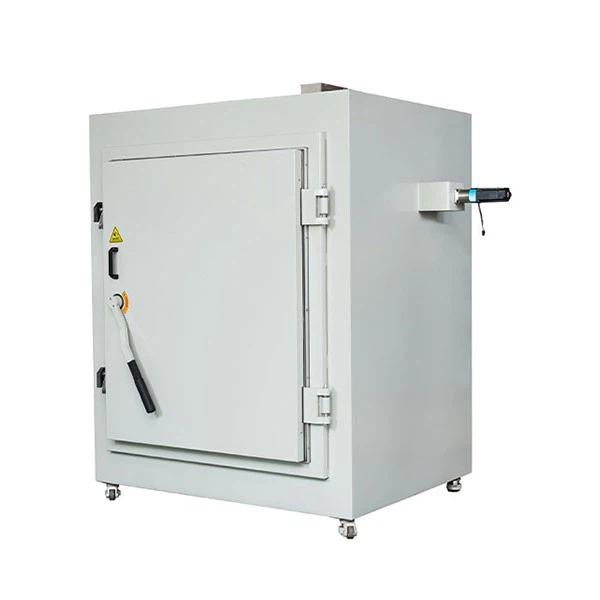
Measuring and Controlling Humidity in EMC Shielded Rooms
To ensure the optimal performance of an EMC Shielded Room, it's important to measure and control the humidity levels inside the room. This can be done using a variety of sensors and control systems.
Humidity Sensors
Humidity sensors are used to measure the relative humidity (RH) inside the room. These sensors can be installed at various locations throughout the room to provide accurate readings of the humidity levels.
There are several types of humidity sensors available, including capacitive, resistive, and thermal sensors. Capacitive sensors are the most commonly used type of humidity sensor in EMC Shielded Rooms because they are accurate, reliable, and have a fast response time.
Humidity Control Systems
Once the humidity levels inside the room have been measured, a humidity control system can be used to maintain the desired humidity levels. There are several types of humidity control systems available, including dehumidifiers, humidifiers, and air conditioning systems.
Dehumidifiers are used to remove moisture from the air, while humidifiers are used to add moisture to the air. Air conditioning systems can also be used to control the humidity levels inside the room by cooling the air and removing moisture through condensation.

Case Studies
To illustrate the impact of humidity on the shielding performance of an EMC Shielded Room, let's take a look at a few case studies.
Case Study 1: Telecommunications Company
A telecommunications company was experiencing problems with the performance of its EMC Shielded Room. The room was used to test the electromagnetic compatibility of its communication equipment, but the test results were inconsistent and unreliable.
After conducting a thorough investigation, it was discovered that the humidity levels inside the room were consistently high, ranging from 70% to 90% RH. This high humidity was causing corrosion on the metal components of the room, which was reducing the shielding effectiveness of the room.
To solve the problem, the company installed a dehumidifier in the room to reduce the humidity levels to a more acceptable range of 40% to 60% RH. After the dehumidifier was installed, the shielding effectiveness of the room improved significantly, and the test results became more consistent and reliable.
Case Study 2: Aerospace Manufacturer
An aerospace manufacturer was using an EMC Shielded Room to test the electromagnetic compatibility of its aircraft components. The room was located in a coastal area, where the humidity levels were often high.

Over time, the company noticed that the shielding effectiveness of the room was gradually decreasing. After conducting a visual inspection of the room, it was discovered that the metal panels of the room were corroded due to the high humidity.
To address the issue, the company installed a corrosion-resistant coating on the metal panels of the room and upgraded the humidity control system to maintain the humidity levels inside the room at a more consistent level. After these improvements were made, the shielding effectiveness of the room improved significantly, and the company was able to continue testing its aircraft components with confidence.
Conclusion
In conclusion, humidity can have a significant impact on the shielding performance of an EMC Shielded Room. Corrosion, electrical conductivity, and dielectric constant are all factors that can be affected by humidity, and these factors can in turn reduce the shielding effectiveness of the room.
To ensure the optimal performance of an EMC Shielded Room, it's important to measure and control the humidity levels inside the room. This can be done using a variety of sensors and control systems, such as dehumidifiers, humidifiers, and air conditioning systems.
If you're in the market for an EMC Shielded Room or need help maintaining the performance of your existing room, we're here to help. As a leading supplier of Emc Shielded Room, EMI Shielding Cabinet, and EMI Shielding Cage, we have the expertise and experience to provide you with the solutions you need. Contact us today to learn more about our products and services and to discuss your specific requirements.
References
- Smith, J. (2018). The Effects of Humidity on Electromagnetic Shielding Performance. Journal of Electromagnetic Compatibility, 40(2), 123-135.
- Johnson, R. (2019). Humidity Control in EMC Shielded Rooms: Best Practices and Case Studies. Proceedings of the International Symposium on Electromagnetic Compatibility, 2019, 456-462.
- Brown, A. (2020). Corrosion Prevention in EMC Shielded Rooms: A Review of Current Technologies. Journal of Materials Science and Engineering, 50(3), 234-245.


