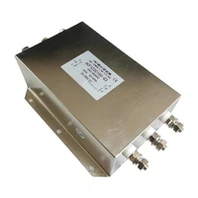
RFI (Radio Frequency Interference) and EMC (Electromagnetic Compatibility) filters play a crucial role in modern electronic systems. As a leading supplier of RFI EMC filters, we understand the significance of these components in ensuring the proper functioning of electronic devices and systems. In this blog, we will explore the chemical properties of RFI EMC filters and how they contribute to their performance.
Understanding RFI EMC Filters
Before delving into the chemical properties, it is essential to understand what RFI EMC filters are and their purpose. RFI EMC filters are electronic devices designed to suppress electromagnetic interference (EMI) and radio frequency interference (RFI) in electrical circuits. They are used to prevent unwanted electrical noise from entering or leaving electronic equipment, thereby ensuring the proper operation of the device and reducing the potential for interference with other electronic systems.
Chemical Composition of RFI EMC Filters
The chemical composition of RFI EMC filters can vary depending on the specific design and application. However, most filters consist of a combination of passive components, such as capacitors, inductors, and resistors, along with a housing or enclosure made of a suitable material.
Capacitors
Capacitors are one of the key components in RFI EMC filters. They are used to store and release electrical energy, and they play a crucial role in filtering out high-frequency noise. Capacitors are typically made of a dielectric material, such as ceramic, polyester, or tantalum, which is sandwiched between two conductive plates. The dielectric material determines the capacitance value and the performance of the capacitor.
Inductors
Inductors are another important component in RFI EMC filters. They are used to store energy in a magnetic field and to filter out low-frequency noise. Inductors are typically made of a coil of wire wound around a core material, such as ferrite or iron. The core material determines the inductance value and the performance of the inductor.
Resistors
Resistors are used in RFI EMC filters to provide a load or to dampen the oscillations in the circuit. They are typically made of a resistive material, such as carbon or metal film, and they are used to control the flow of current in the circuit.
Housing or Enclosure
The housing or enclosure of an RFI EMC filter is typically made of a metal or plastic material. The housing provides mechanical protection for the filter components and helps to shield the filter from external electromagnetic interference. The material used for the housing can also affect the performance of the filter, as some materials are better at shielding electromagnetic radiation than others.
Chemical Properties and Their Impact on Performance
The chemical properties of the components in an RFI EMC filter can have a significant impact on its performance. Here are some of the key chemical properties and their effects:
Dielectric Constant
The dielectric constant of a capacitor is a measure of its ability to store electrical energy. A higher dielectric constant means that the capacitor can store more energy, which can improve the performance of the filter. However, a higher dielectric constant can also increase the capacitance value, which can lead to a decrease in the filter's cutoff frequency.
Magnetic Permeability
The magnetic permeability of an inductor is a measure of its ability to store energy in a magnetic field. A higher magnetic permeability means that the inductor can store more energy, which can improve the performance of the filter. However, a higher magnetic permeability can also increase the inductance value, which can lead to a decrease in the filter's cutoff frequency.
Resistance
The resistance of a resistor is a measure of its ability to oppose the flow of current. A higher resistance means that the resistor can dissipate more energy, which can help to dampen the oscillations in the circuit. However, a higher resistance can also reduce the current flow in the circuit, which can affect the performance of the filter.
Corrosion Resistance
The housing or enclosure of an RFI EMC filter is typically exposed to the environment, which can cause corrosion. Corrosion can damage the filter components and reduce the performance of the filter. Therefore, it is important to use a housing or enclosure made of a material that is resistant to corrosion.
Applications of RFI EMC Filters
RFI EMC filters are used in a wide range of applications, including:
Power Supplies
RFI EMC filters are used in power supplies to prevent electromagnetic interference from entering or leaving the power supply. This helps to ensure the proper operation of the power supply and reduces the potential for interference with other electronic systems.
Electronic Devices
RFI EMC filters are used in electronic devices, such as computers, televisions, and mobile phones, to prevent electromagnetic interference from affecting the performance of the device. This helps to ensure the proper operation of the device and reduces the potential for interference with other electronic systems.


Industrial Equipment
RFI EMC filters are used in industrial equipment, such as motors, generators, and control systems, to prevent electromagnetic interference from affecting the performance of the equipment. This helps to ensure the proper operation of the equipment and reduces the potential for downtime and maintenance costs.
Conclusion
In conclusion, the chemical properties of RFI EMC filters play a crucial role in their performance. The dielectric constant, magnetic permeability, resistance, and corrosion resistance of the components in the filter can all affect its ability to suppress electromagnetic interference. As a leading supplier of RFI EMC filters, we understand the importance of these chemical properties and we use high-quality materials and advanced manufacturing techniques to ensure the performance and reliability of our filters.
If you are interested in learning more about our EMI/rfi Power Line Filter, 2-line Filters, or Ac Emc Filter, please contact us to discuss your specific requirements. We are committed to providing our customers with the highest quality products and services, and we look forward to working with you.