

In the realm of high - speed data transmission systems, electromagnetic interference (EMI) can be a significant hurdle. EMI can disrupt the integrity of data signals, leading to errors, reduced performance, and even system failures. As an EMI filter supplier, I understand the importance of selecting the right EMI filter for these critical systems. This blog will guide you through the process of choosing an appropriate EMI filter for high - speed data transmission.
Understanding EMI in High - Speed Data Transmission
High - speed data transmission systems operate at very high frequencies, often in the megahertz (MHz) to gigahertz (GHz) range. At these frequencies, the system becomes more susceptible to EMI from various sources, such as power lines, radio frequency (RF) emissions from other devices, and internal components.
EMI can manifest in two forms: conducted and radiated. Conducted EMI travels along power and signal lines, while radiated EMI is emitted into the air as electromagnetic waves. In high - speed data transmission, both types can cause problems. Conducted EMI can corrupt the data signals on the transmission lines, while radiated EMI can interfere with nearby electronic devices or be picked up by sensitive receivers within the system.
Key Considerations When Selecting an EMI Filter
Frequency Range
The first and most crucial factor is the frequency range of the high - speed data transmission system. Different EMI filters are designed to operate within specific frequency bands. You need to choose a filter that can effectively attenuate the EMI frequencies present in your system. For example, if your data transmission system operates at a frequency of 1 GHz, you should look for an EMI filter with a high - frequency cutoff that can handle this range. Our Signal Line Filter is designed to work across a wide frequency spectrum, making it suitable for many high - speed data applications.
Insertion Loss
Insertion loss is a measure of how much the filter attenuates the EMI signal while allowing the desired data signal to pass through. A higher insertion loss indicates better EMI suppression. However, it's important to balance this with the need to maintain the integrity of the data signal. In high - speed data transmission, excessive insertion loss can cause signal degradation. You should select a filter with an insertion loss that is sufficient to reduce EMI without significantly affecting the data signal quality.

Impedance Matching
Proper impedance matching between the EMI filter and the high - speed data transmission system is essential. Mismatched impedance can lead to signal reflections, which can cause additional EMI and degrade the data signal. The filter should have an input and output impedance that matches the impedance of the transmission lines in the system. This ensures maximum power transfer and minimizes signal loss.
Filter Configuration
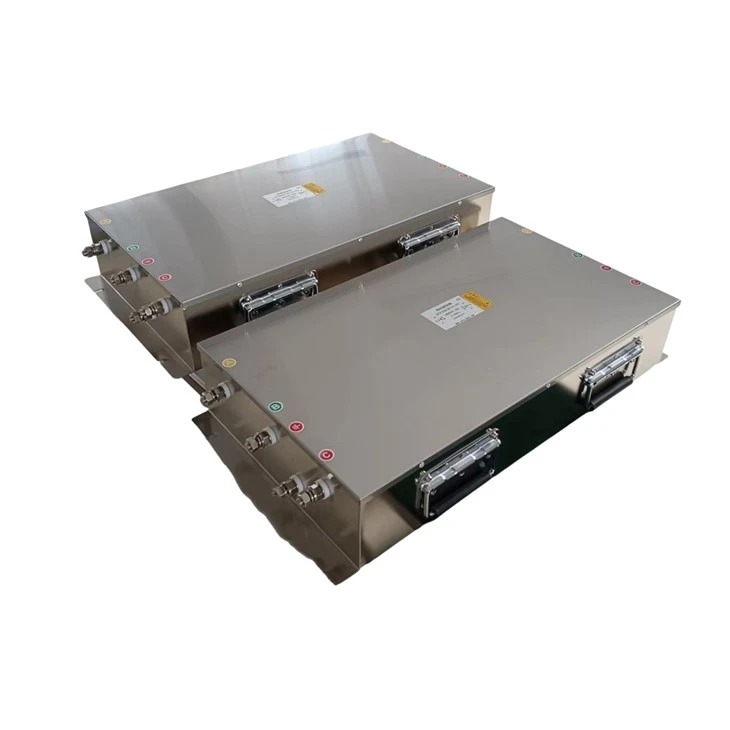
There are different types of EMI filter configurations, such as single - line filters, multi - line filters, and three - phase filters. For high - speed data transmission systems, multi - line filters are often preferred as they can handle multiple data lines simultaneously. Our 4 - line Filters are ideal for systems with multiple data channels, providing comprehensive EMI protection. In cases where the system is powered by a three - phase electrical supply, a 3 Phase Emc Filter may be required to suppress EMI on all three phases.
Size and Form Factor
The physical size and form factor of the EMI filter are also important considerations, especially in high - density or space - constrained applications. You need to choose a filter that can fit into the available space in your system. Additionally, the filter should be easy to install and integrate with the existing components.
Application - Specific Considerations
Data Rate
The data rate of the high - speed data transmission system is a critical factor. Higher data rates require filters that can handle faster signal transitions without introducing excessive delay or distortion. Filters with low parasitic capacitance and inductance are preferred for high - data - rate applications to minimize signal degradation.
Protocol Compatibility
Different high - speed data transmission protocols have specific requirements. For example, Ethernet, USB, and HDMI have different signal characteristics and impedance requirements. You need to ensure that the EMI filter you choose is compatible with the specific protocol used in your system.
Environmental Conditions
The operating environment of the high - speed data transmission system can also affect the choice of EMI filter. If the system is exposed to high temperatures, humidity, or vibration, you need to select a filter that can withstand these conditions. Some filters are designed with ruggedized enclosures and components to ensure reliable operation in harsh environments.
Our Expertise as an EMI Filter Supplier
As an experienced EMI filter supplier, we have a wide range of products to meet the diverse needs of high - speed data transmission systems. Our filters are designed and manufactured using the latest technologies and high - quality materials to ensure superior performance and reliability.
We offer customized solutions for customers with specific requirements. Our team of engineers can work closely with you to understand your system's needs and recommend the most suitable EMI filter. We also provide technical support throughout the selection, installation, and operation process.
Conclusion
Selecting the right EMI filter for a high - speed data transmission system is a complex but crucial task. By considering factors such as frequency range, insertion loss, impedance matching, filter configuration, data rate, protocol compatibility, and environmental conditions, you can choose a filter that effectively suppresses EMI while maintaining the integrity of your data signals.
If you are in the process of selecting an EMI filter for your high - speed data transmission system, we invite you to contact us for more information. Our team of experts is ready to assist you in finding the perfect solution for your application. Let's work together to ensure the smooth and reliable operation of your high - speed data transmission system.
References
- Ott, H. W. (1988). Noise Reduction Techniques in Electronic Systems. Wiley - Interscience.
- Paul, C. R. (2006). Introduction to Electromagnetic Compatibility. Wiley - Interscience.
- Lee, T. H. (2004). The Design of CMOS Radio - Frequency Integrated Circuits. Cambridge University Press.


