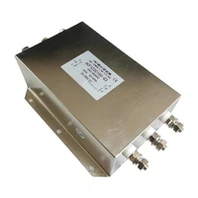
Selecting the right AC EMC filter for a specific device is crucial to ensure its proper operation and compliance with electromagnetic compatibility (EMC) standards. As an AC EMC filter supplier, I've seen firsthand how the wrong filter can lead to all sorts of problems, from interference issues to regulatory non - compliance. In this blog, I'll share some tips on how to choose the perfect AC EMC filter for your device.
Understanding the Basics of AC EMC Filters
Before we dive into the selection process, let's quickly go over what AC EMC filters are and what they do. An AC EMC filter is designed to reduce electromagnetic interference (EMI) in electrical circuits. EMI can come from a variety of sources, like motors, power supplies, and other electronic devices. If not properly filtered, this interference can cause malfunctions in your device or even affect other nearby equipment.
Factors to Consider When Selecting an AC EMC Filter
1. Operating Voltage and Current
The first thing you need to consider is the operating voltage and current of your device. The filter you choose must be able to handle the voltage and current levels of your equipment. For example, if your device operates at 230V AC and draws 5A of current, you'll need a filter rated for at least these values. Using a filter with a lower rating can lead to overheating and premature failure.


2. Frequency Range
Another important factor is the frequency range of the interference you need to filter. Different devices generate EMI at different frequencies. Some common frequency ranges for EMI are from a few kHz to several GHz. You need to know the frequency range of the interference in your device so you can select a filter that is effective at those frequencies. For instance, if your device has a lot of high - frequency interference, you'll want a filter that can handle frequencies in the MHz or GHz range.
3. Insertion Loss
Insertion loss is a measure of how well a filter reduces the EMI. It's usually expressed in decibels (dB). A higher insertion loss means the filter is more effective at reducing interference. When selecting a filter, you'll want to look for one with a high insertion loss in the frequency range of your interference. You can find the insertion loss data in the filter's datasheet.
4. Type of Filter
There are different types of AC EMC filters available, such as Rfi Emc Filter, Signal Line Filter, and 3 Phase Ac Filter. The type of filter you choose depends on your specific application.
- RFI EMC Filters: These filters are designed to reduce radio - frequency interference. They are commonly used in devices that are sensitive to radio - frequency signals, like radio receivers and transmitters.
- Signal Line Filters: These filters are used to protect signal lines from EMI. They are often used in communication systems and data transfer applications.
- 3 Phase AC Filters: As the name suggests, these filters are used in three - phase electrical systems. They are commonly used in industrial applications, such as motors and generators.
5. Size and Mounting
The physical size and mounting options of the filter are also important considerations. You need to make sure the filter will fit in the available space in your device. Some filters are designed for panel mounting, while others can be mounted directly on the circuit board. You'll also want to consider the weight of the filter, especially if you're using it in a portable device.
Steps to Select an AC EMC Filter
Step 1: Identify the Requirements
Start by identifying the requirements of your device. This includes the operating voltage, current, frequency range of the interference, and any specific EMC standards your device needs to comply with.
Step 2: Research Filter Options
Once you know your requirements, start researching different filter options. Look at the datasheets of different filters to find ones that meet your criteria. You can also look for customer reviews and ratings to get an idea of the performance and reliability of the filters.
Step 3: Consult with an Expert
If you're not sure which filter is right for your device, don't hesitate to consult with an expert. As an AC EMC filter supplier, I'm always happy to help customers select the right filter for their needs. We have a team of experienced engineers who can provide technical support and advice.
Step 4: Test the Filter
Before you finalize your selection, it's a good idea to test the filter in your device. This will allow you to see how well the filter performs in real - world conditions. You can use test equipment to measure the insertion loss and other performance parameters of the filter.
Importance of Compliance
Complying with EMC standards is not just a legal requirement; it's also important for the proper operation of your device. Using a high - quality AC EMC filter can help your device meet these standards and avoid interference issues. Regulatory bodies around the world have set strict EMC standards to ensure that electronic devices do not cause interference to other equipment.
Conclusion
Selecting the right AC EMC filter for your device is a critical decision. By considering factors such as operating voltage, current, frequency range, insertion loss, type of filter, and size, you can choose a filter that will effectively reduce EMI and ensure the proper operation of your device. As an AC EMC filter supplier, I'm here to help you make the right choice. If you're in the market for an AC EMC filter, don't hesitate to reach out for a consultation. We can work together to find the perfect filter for your specific needs.