In the realm of consumer electronics, electromagnetic compatibility (EMC) and electromagnetic interference (EMI) testing are of paramount importance. These tests ensure that electronic devices operate correctly in their intended electromagnetic environment and do not generate excessive interference that could affect other devices. An EMI shielding room is a specialized facility designed to control electromagnetic fields, and it has become a crucial tool in the electronics testing process. As a supplier of EMI shielding rooms, I will delve into the question: Can an EMI shielding room be used for consumer electronics testing?
Understanding EMI Shielding Rooms
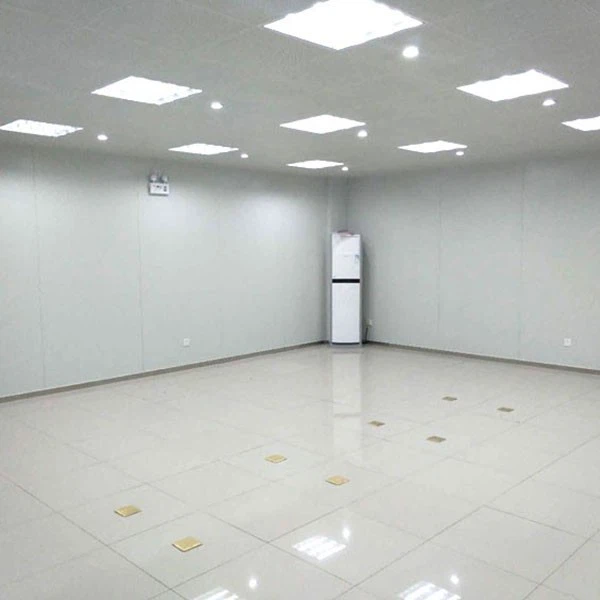
An EMI shielding room is an enclosed space constructed with materials that block or attenuate electromagnetic radiation. The primary purpose of these rooms is to create a controlled environment where electronic devices can be tested without the influence of external electromagnetic interference. There are several types of EMI shielding rooms, each with its own construction method and application scenarios.

Welded EMI Shielding Room
A Welded EMI Shielding Room is built by welding metal panels together to form a seamless enclosure. This type of shielding room offers high shielding effectiveness (SE) because the welded joints minimize electromagnetic leakage. Welded EMI shielding rooms are often used in applications where a high level of shielding is required, such as military and aerospace testing. However, they can also be suitable for consumer electronics testing, especially when testing high - sensitivity devices.
Rf Shielded Room
An Rf Shielded Room is specifically designed to block radio frequency (RF) electromagnetic radiation. RF shielding rooms are commonly used in wireless communication device testing, as they can isolate the device under test (DUT) from external RF signals. This isolation allows for accurate measurement of the device's RF performance, such as its transmit power, receive sensitivity, and frequency stability.
Modular Shielded Room
A Modular Shielded Room is constructed using pre - fabricated panels that can be easily assembled and disassembled. This type of shielding room is more flexible and cost - effective compared to welded shielding rooms. Modular shielded rooms are ideal for consumer electronics testing facilities that need to be set up quickly or reconfigured as testing requirements change.
Advantages of Using EMI Shielding Rooms for Consumer Electronics Testing
Accurate Testing Results
One of the main advantages of using an EMI shielding room for consumer electronics testing is the ability to obtain accurate test results. In an open environment, external electromagnetic interference can corrupt the test data, leading to false positives or negatives. An EMI shielding room provides a clean electromagnetic environment where the DUT can be tested under controlled conditions. This ensures that the test results reflect the true performance of the device.
Compliance with Standards
Consumer electronics manufacturers are required to comply with various electromagnetic compatibility standards, such as FCC (Federal Communications Commission) in the United States and CE (Conformité Européene) in Europe. EMI shielding rooms are essential for conducting tests to meet these standards. By using a shielding room, manufacturers can ensure that their products are free from excessive electromagnetic emissions and are immune to external interference.
Protection of Surrounding Equipment
During the testing process, some consumer electronics devices may generate high - level electromagnetic emissions. These emissions can interfere with other electronic equipment in the vicinity. An EMI shielding room contains these emissions, protecting the surrounding equipment from potential damage or malfunction.
Applications of EMI Shielding Rooms in Consumer Electronics Testing
Mobile Phone Testing
Mobile phones are one of the most common consumer electronics devices. They operate in a complex electromagnetic environment and need to meet strict EMC standards. In an EMI shielding room, mobile phones can be tested for their RF performance, such as signal strength, frequency accuracy, and interference immunity. The shielding room also allows for the testing of different antenna configurations and the evaluation of the phone's performance in various operating conditions.
Laptop and Tablet Testing
Laptops and tablets are also subject to EMC testing. These devices contain a variety of electronic components, such as processors, memory modules, and wireless communication modules, which can generate electromagnetic emissions. An EMI shielding room provides a controlled environment for testing these emissions and ensuring that the devices comply with the relevant standards. Additionally, the shielding room can be used to test the devices' immunity to external electromagnetic interference, such as radio waves and electrostatic discharge.
Wearable Device Testing
Wearable devices, such as smartwatches and fitness trackers, are becoming increasingly popular. These devices are often worn close to the body and need to meet strict EMC requirements to ensure user safety and proper operation. An EMI shielding room can be used to test the electromagnetic emissions of wearable devices and their immunity to external interference. The shielding room also allows for the evaluation of the device's performance in different body positions and under various environmental conditions.
Considerations When Using EMI Shielding Rooms for Consumer Electronics Testing
Shielding Effectiveness
The shielding effectiveness of an EMI shielding room is a critical factor to consider. It is measured in decibels (dB) and indicates the ability of the room to block electromagnetic radiation. The required shielding effectiveness depends on the type of testing being conducted and the level of external interference. For consumer electronics testing, a shielding effectiveness of at least 60 dB is usually sufficient, but higher levels may be required for more sensitive devices.
Size and Configuration
The size and configuration of the EMI shielding room should be carefully considered based on the size and quantity of the DUTs. A larger room may be required for testing multiple devices simultaneously or for testing large - sized consumer electronics, such as televisions. The room should also be configured to accommodate the testing equipment, such as spectrum analyzers, signal generators, and antennas.
Cost
The cost of an EMI shielding room can vary depending on its type, size, and shielding effectiveness. Welded EMI shielding rooms are generally more expensive than modular shielded rooms due to their higher construction cost. However, the long - term benefits of accurate testing and compliance with standards may outweigh the initial investment.
Conclusion
In conclusion, an EMI shielding room can be effectively used for consumer electronics testing. It provides a controlled electromagnetic environment that allows for accurate testing results, compliance with standards, and protection of surrounding equipment. As a supplier of EMI shielding rooms, we offer a variety of options, including Welded EMI Shielding Room, Rf Shielded Room, and Modular Shielded Room, to meet the diverse needs of consumer electronics manufacturers.

If you are a consumer electronics manufacturer or a testing laboratory looking for a reliable EMI shielding room solution, we encourage you to contact us for further discussion and procurement negotiation. Our team of experts will be happy to assist you in selecting the most suitable shielding room for your testing requirements.
References
- "Electromagnetic Compatibility Engineering" by Henry W. Ott.
- FCC Rules and Regulations for Electromagnetic Compatibility.
- CE Directive on Electromagnetic Compatibility.