

Can an EMC Shielded Room be used for aerospace testing?
As a supplier of EMC shielded rooms, I often get asked about the diverse applications of our products. One question that comes up frequently is whether an EMC shielded room can be used for aerospace testing. In this blog, I'll explore this topic in detail, highlighting the potential uses, benefits, and considerations when using an EMC shielded room for aerospace - related testing.
The Basics of EMC Shielded Rooms
Before delving into aerospace testing, let's briefly review what an EMC shielded room is. An EMC (Electromagnetic Compatibility) shielded room is an enclosure designed to block electromagnetic radiation from entering or leaving the room. This is achieved through the use of conductive materials, such as metal sheets or mesh, which act as a barrier against electromagnetic fields. There are different types of EMC shielded rooms, including Welded Shielding Room, EMI Shielded Room, and Modular Shielded Room. Each type has its own construction method and characteristics, but they all serve the same fundamental purpose of providing an electromagnetic - free environment.
Aerospace Testing Requirements
Aerospace testing encompasses a wide range of activities, from testing electronic components to evaluating the electromagnetic performance of entire aircraft or spacecraft. The aerospace industry has strict requirements when it comes to electromagnetic compatibility. This is because electromagnetic interference (EMI) can have serious consequences, such as affecting the operation of critical avionics systems, communication equipment, and navigation devices. In a real - world aerospace environment, there are numerous sources of electromagnetic radiation, including radio waves, radar signals, and even natural phenomena like lightning. To accurately test aerospace components and systems, it is essential to create a controlled environment where the effects of external electromagnetic interference can be minimized.
Using EMC Shielded Rooms for Aerospace Testing
Component - Level Testing
At the component level, EMC shielded rooms are invaluable for testing individual electronic parts used in aerospace applications. For example, microcontrollers, sensors, and communication modules need to be tested for their susceptibility to EMI. In a shielded room, engineers can expose these components to specific electromagnetic fields and measure their performance. This allows them to identify any potential issues, such as malfunctions or signal degradation, and make necessary design improvements. By conducting these tests in a shielded environment, the results are more accurate and repeatable, as the external electromagnetic noise is eliminated.
System - Level Testing
In addition to component - level testing, EMC shielded rooms are also used for system - level testing. This involves testing the interaction between different components within an aerospace system. For instance, when testing an aircraft's avionics suite, the shielded room provides a controlled environment where the communication between the flight control computers, navigation systems, and display units can be evaluated. Any electromagnetic interference between these systems can be detected and addressed, ensuring the overall reliability and safety of the aircraft.
Antenna Testing
Antenna testing is another crucial aspect of aerospace testing. Antennas are used for communication, navigation, and radar systems in aircraft and spacecraft. In an EMC shielded room, engineers can accurately measure the radiation pattern, gain, and other performance parameters of antennas. The shielded environment eliminates the influence of external electromagnetic reflections, providing more precise test results. This is especially important for aerospace applications, where the performance of antennas can significantly impact the functionality of the communication and navigation systems.
Benefits of Using EMC Shielded Rooms in Aerospace Testing
Accuracy and Repeatability
One of the main benefits of using EMC shielded rooms for aerospace testing is the high level of accuracy and repeatability. Since the external electromagnetic interference is eliminated, the test results are not affected by random noise or variations in the environment. This allows engineers to make reliable decisions based on the test data and ensures that the same test conditions can be replicated in future tests.
Safety
Aerospace testing often involves high - power electromagnetic sources. In an EMC shielded room, the shielding materials prevent the electromagnetic radiation from escaping the room, protecting the surrounding environment and personnel. This is particularly important when testing high - energy radar systems or other powerful electromagnetic devices.
Cost - Effectiveness
While the initial investment in an EMC shielded room may be significant, it can ultimately be cost - effective in the long run. By conducting accurate and comprehensive tests in a shielded environment, potential issues can be identified and resolved early in the design and development process. This reduces the need for costly rework and recalls, saving both time and money for aerospace manufacturers.
Considerations When Using EMC Shielded Rooms for Aerospace Testing
Shielding Effectiveness
The shielding effectiveness of an EMC shielded room is a critical factor to consider. It is measured in decibels (dB) and indicates the ability of the shielded room to block electromagnetic radiation. For aerospace testing, a high - level of shielding effectiveness is required to ensure that the test environment is free from external interference. The choice of shielding materials and the construction method of the shielded room can significantly affect its shielding effectiveness.
Size and Configuration
The size and configuration of the EMC shielded room also need to be carefully considered. Aerospace components and systems can vary greatly in size, from small electronic chips to large aircraft structures. The shielded room should be large enough to accommodate the test equipment and the aerospace components being tested. Additionally, the layout of the room should be designed to facilitate the testing process, with proper access for personnel and equipment.
Compliance with Standards
The aerospace industry is highly regulated, and there are strict standards and regulations regarding electromagnetic compatibility. When using an EMC shielded room for aerospace testing, it is essential to ensure that the shielded room complies with these standards. This may involve regular calibration and certification of the shielded room to demonstrate its performance and compliance.
Conclusion
In conclusion, EMC shielded rooms are well - suited for aerospace testing. They provide a controlled environment where the effects of external electromagnetic interference can be minimized, allowing for accurate and repeatable testing of aerospace components and systems. The benefits of using EMC shielded rooms, such as accuracy, safety, and cost - effectiveness, make them an essential tool for the aerospace industry. However, careful consideration must be given to factors such as shielding effectiveness, size, configuration, and compliance with standards.

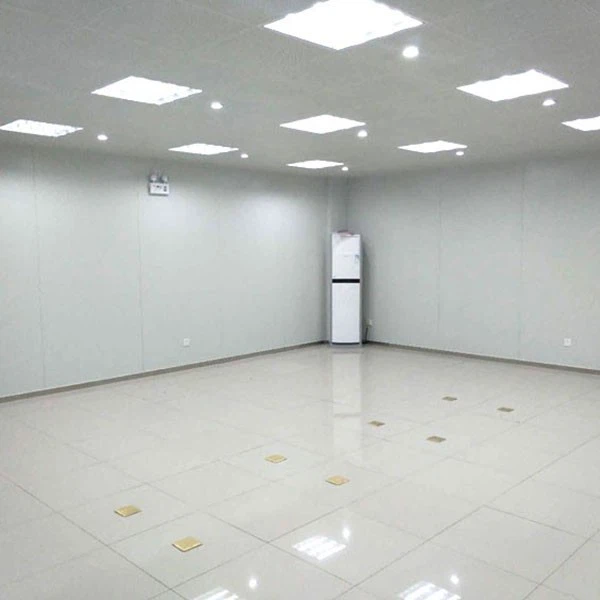
If you are involved in aerospace testing and are looking for a reliable EMC shielded room solution, we are here to help. Our company offers a wide range of EMC shielded rooms, including Welded Shielding Room, EMI Shielded Room, and Modular Shielded Room. Our experienced team can work with you to design and build a shielded room that meets your specific requirements. Contact us today to discuss your aerospace testing needs and explore how our EMC shielded rooms can enhance your testing capabilities.
References
- "Electromagnetic Compatibility Engineering" by Henry W. Ott
- "Aerospace Testing Handbook" by various authors
- Industry standards and regulations related to aerospace electromagnetic compatibility.


